 By Owen Palmer
Updated November 2026
A running hydration belt and a running hydration vest both carry water and fuel so you can run longer without stopping at fountains or aid stations. The belt wins for short-to-moderate runs, hot-weather training and runners who want something light and quick to put on. The vest wins for long trail efforts, ultra distances and anyone who needs to carry extra layers, phones, poles or emergency gear alongside a lot of fluid. For another angle, check out Running Belt Over or Under Shirt (2026): Which Is Better for Comfort?.
| Criteria | Running Hydration Belt | Running Hydration Vest |
|---|---|---|
| Typical water capacity | Usually one or two soft flasks, roughly 1 to 1.5 liters total | Often 1.5 to 3 liters across bladder and front flasks |
| Storage for gear | Small pockets, enough for gels, a key and a phone in some models | Multiple pockets for layers, food, phone, map and emergency items |
| Weight distribution | Sits on the hips, so load stays low and close to the center of mass | Spreads weight across the shoulders and chest, which can feel heavier at first |
| Bounce and movement | Can shift slightly with long strides if not snug | Generally very stable once adjusted, with tight straps |
| Heat and breathability | Exposes more of the back and sides, which often helps airflow | Covers more of the torso, so sweat management matters more |
| Setup and access | Quick to put on and grab a flask while moving | Takes a few minutes to dial in, but gear access is organized |
| Best run length | 5K to half marathon, and warm-weather road or track sessions | Half marathon to ultra, and long trail or mountain outings |
Carrying Capacity: Which Holds More Water?
The vest wins on capacity. Most running hydration vests are designed to carry between 1.5 and 3 liters, usually split between a bladder in the back and a pair of soft flasks on the chest. Manufacturers often list capacity in liters, so check the spec sheet before you buy if you plan runs longer than about two hours in heat.
A hydration belt typically holds one or two soft flasks, which tends to total around 1 to 1.5 liters. That is enough for most runs under 90 minutes or so, especially in cooler weather. If your route has no water stops, the belt can become limiting. For a run that lasts four hours with few refill points, a vest is the more practical choice.
Winner: Vest.
Weight Distribution and Stability
Where the weight sits changes how a load feels over time. A belt rests on your hips and pelvis, so the bounce is minimal and the weight stays close to your center of mass. Runners often describe this as barely noticeable once the belt is snug. The main concern is slippage: if the belt is loose, it can slide around when you accelerate or climb.
A vest puts weight on the shoulders and chest. When it fits well, with the straps cinched and the chest buckle fastened, it sits firmly and does not bounce much. But a loaded vest adds upper-body load, and some runners find it fatiguing on long efforts, especially if the pack is heavy.
Winner: Belt for lighter, low-profile stability. Vest if you need a stable setup for a heavy load.
Storage Space for Gear
If you only need a phone, a few gels and a house key, a belt covers that without fuss. Some belts include a small zippered pocket for the phone and a couple of stretch pockets for food. That is usually the limit.
A vest is built for carrying more. Typical features include front pockets sized for gels and snacks, a chest pocket for a phone, a rear compartment for a rain shell or a light jacket, and sometimes loops for trekking poles. For trail runners who need to pack a mandatory layer, a headlamp and a first aid kit, a vest is the only sensible option.
Winner: Vest.
Comfort and Heat Management
Heat changes the equation. A belt leaves most of your upper back and torso open, so air moves across your skin and sweat evaporates more readily. Runners training in hot, humid conditions often prefer this airflow. The downside is that a belt’s flasks sit against the hips and lower back, which can feel warm if the water is warm.
A vest covers more of the torso. Many vests use mesh panels on the back to improve breathability, but the overall coverage means more sweat is trapped against the body. On hot days, this can cause chafing around the straps and under the arms if the fit is loose. Anti-chafe balm or a moisture-wicking base layer helps considerably.
Winner: Belt for hot-weather comfort.
Ease of Use While Running
Reaching for a belt flask takes one hand and a second or two. Most runners can grab a flask without breaking stride. Refilling is also quick, since the flasks come off the belt for a fill at a fountain.
A vest takes a little more practice. You need to reach to the chest flasks or the back bladder hose, and the bladder requires filling and burping. Once you learn the layout, access is smooth, but the first few runs are usually a bit clumsy.
Winner: Belt for simplicity.
Fit and Adjustment
A hydration belt needs a snug waistband and a good placement of the flasks. Ideally, the flasks sit over the hip bones rather than the belly, so they do not press into the stomach during hard efforts. Adjustment is mostly a matter of tightening the belt and repositioning the flask pockets.
A vest requires more dialing in. Adjust the shoulder straps, the chest strap and the waist strap until the pack sits high on the back and does not sag. The vest should fit the torso like a second layer, so sizing matters. Many manufacturers offer size charts based on chest measurement, so measure before you buy.
Winner: Belt for a quicker fit, vest for a more secure fit once adjusted.
Which Should You Choose?
- Choose a hydration belt if your runs are under about two hours and you run mostly in warm weather.
- Choose a hydration belt if you prefer a light setup and quick access to water without thinking about straps.
- Choose a hydration belt for road races, track sessions or tempo runs where you want minimal added load.
- Choose a hydration vest if you run long trail routes, ultras or events with limited aid stations.
- Choose a hydration vest if you must carry extra layers, a phone, a map and emergency gear.
- Choose a hydration vest if you run in cold or variable weather and need room for a shell jacket.
Here are a few representative products to compare. Check current specs and sizing charts on each product page before you buy.
Running Hydration Belt Option
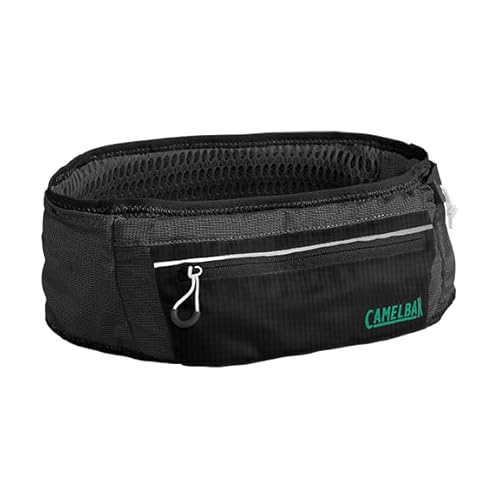
Look for a belt with two soft flasks, a zippered phone pocket and a waistband with a secure hook or buckle. Models from established running brands such as Nathan and Camelbak are widely available. View on Amazon
Running Hydration Vest Option
Look for a vest with a bladder of at least 1.5 liters, front flasks, adjustable chest and waist straps and a rear pocket for layers. Camelbak and Salomon both produce well-known trail hydration vests. View on Amazon
For more detail on specific belt styles, see Types of Running Hydration Belt: 4 Styles and Who Each Suits and 6 Best Nathan Hydration Running Belt Picks for Every Run (2026). If you are still weighing options, Running Vest or Belt: Which to Choose for Your Runs (2026) covers a similar comparison in more depth. Runners who want to start from the basics can read Running with Hydration Belt: 7 Steps to Stay Hydrated on Every Run.
FAQ
Is a hydration vest better than a belt for long runs?
For runs over about two hours, a vest usually works better because it holds more water and gear. A belt can still work for long road runs if you plan refill stops, but a vest gives you more margin when aid stations are scarce.
Do hydration belts bounce while running?
A properly fitted belt should stay steady. Bounce usually means the belt is too loose or the flasks are not seated well. Tighten the waistband and reposition the flasks over the hip bones before you run.
How much water should I carry on a run?
Needs vary with temperature, pace, sweat rate and duration. Many runners plan around a bottle or two per hour in heat, but individual needs differ. If you have a medical condition or take medication that affects fluid balance, consult a doctor or sports dietitian for personalized guidance.
Can I use a vest for short runs?
You can, but a vest is often more gear than a 5K or a short tempo run requires. For shorter sessions, a belt keeps the setup lighter and cooler.
Which is better for hot weather?
A belt generally feels cooler because it leaves more of the back and torso uncovered. If you need a vest for gear reasons in heat, choose one with mesh panels and pair it with a moisture-wicking base layer to reduce chafing.
Conclusion
The running hydration belt vs vest decision comes down to your run length and what you need to carry. A belt is the better pick for short to moderate runs, hot weather and anyone who values simplicity. A vest is the right tool for long trail efforts, ultras and runs where you must carry layers and gear. Match the option to your typical route, check the capacity and fit specs, and you will avoid buying the wrong setup.
Related reading
- Running Vest vs Belt Reddit: 5 Best Options Compared (2026)
- Running Waist Belt for Phone vs Armband: Which Should You Choose? (2026)
- Camelbak Ultra Running Hydration Belt: 6 Best Picks for Every Run (2026)
About Owen Palmer
Owen Palmer is part of our editorial team and reviews and edits our running gear & races guides, checking product details against manufacturer specifications and owner feedback.