
 By Caleb Morgan
Updated November 2026
Finding the most comfy running shoes comes down to fit, cushioning, and how much support your feet need on daily runs. This list compares seven options based on manufacturer specifications, brand reputation, and patterns in owner feedback. We focused on midsole cushioning, upper materials, heel-to-toe drop, and how each shoe suits different foot shapes and running styles.
Our top picks at a glance
- 1
 TOP CHOICEBest overallUnder Armour Men's Charged+ Assert 11 Running ShoesView on Amazon
- 2
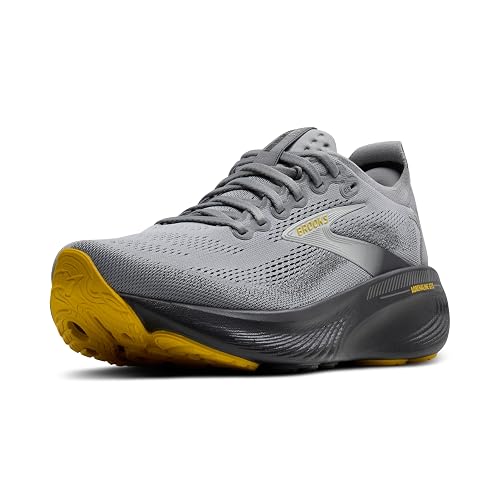 TOP CHOICEBest for stabilityBrooks Men's Adrenaline GTS 25 Running ShoeView on Amazon
- 3
 TOP CHOICEBest for gym and walkingRunning Shoes for Women Men Tennis Walking Gym Workout SneakersView on Amazon
- 4
 Best slip-onINZCOU Slip-On Walking Running Tennis ShoesView on Amazon
- 5
 Best for women on mixed daysVilanva Women's Walking Shoes Cushioned Running Tennis SneakersView on Amazon
- 6
 Best for easy entryALLSWIFIT Women's Slip On Walking Shoes SneakersView on Amazon
- 7
 Best for lightweight daily runsNike Men's Revolution 8 Road Running ShoesView on Amazon
Our Top Picks
Quick Comparison
| Product | Best for | Key feature |
|---|---|---|
| Under Armour Men’s Charged+ Assert 11 | Overall comfort | Cushioned midsole, breathable upper |
| Brooks Men’s Adrenaline GTS 25 | Stability needs | Supportive guidance system |
| Running Shoes for Women Men Tennis Walking Gym Workout Sneakers | Gym and walking | Versatile everyday fit |
| INZCOU Slip-On Walking Running Tennis Shoes | Quick on and off | Slip-on design, flexible sole |
| Vilanva Women’s Walking Shoes Cushioned Running Tennis Sneakers | Women on mixed days | Soft cushioned foam |
| ALLSWIFIT Women’s Slip On Walking Shoes Sneakers | Easy entry | Stretch collar, light build |
| Nike Men’s Revolution 8 Road Running Shoes | Lightweight daily runs | Light foam, simple upper |
Under Armour Men’s Charged+ Assert 11 Running Shoes
Under Armour Men's Charged+ Assert 11 Running Shoes
Best for: Overall comfort on road and treadmill runs
This is a solid all-round choice for runners who want a plush, forgiving ride without a bulky feel. It suits people logging moderate weekly mileage on pavement.
Pros
- Cushioned midsole for long-run comfort
- Breathable upper keeps feet cooler
Cons
- Less grip on loose or wet surfaces
Brooks Men’s Adrenaline GTS 25 Running Shoe
Brooks Men's Adrenaline GTS 25 Running Shoe
Best for: Stability for runners who overpronate
Brooks builds this model around its guidance system, which aims to support the foot without rigid posting. Runners with flat arches or inward rolling often find it a comfortable fit for steady miles. We also found 6 Best Most Comfort Running Shoes for Everyday Miles (2026) useful on this point.
Pros
- Stability support without a stiff feel
- Well-regarded fit across many foot shapes
Cons
- Heavier than neutral daily trainers
Running Shoes for Women Men Tennis Walking Gym Workout Sneakers
Running Shoes for Women Men Tennis Walking Gym Workout Sneakers
Best for: Gym sessions and all-day walking
A versatile sneaker for people who move between the gym, errands, and short jogs. It works well for those who want one pair for many activities.
Pros
- Flexible sole for varied movement
- Works across workouts and walking
Cons
- Not built for long, high-mileage runs
INZCOU Slip-On Walking Running Tennis Shoes
INZCOU Slip-On Walking Running Tennis Shoes
Best for: Quick on-and-off wear
Suited to runners who want a shoe they can step into without tying laces, such as between runs or during travel days.
Pros
- No laces to adjust before a run
- Light and flexible underfoot
Cons
- Slip-on fit can feel loose without a locking lace
Vilanva Women’s Walking Shoes Cushioned Running Tennis Sneakers
Vilanva Women's Walking Shoes Cushioned Running Tennis Sneakers
Best for: Women who mix walking and light running
Designed around soft cushioning for people who spend long stretches on their feet. It fits well into a routine that combines walks, errands, and easy jogs.
Pros
- Soft cushioned foam for all-day comfort
- Suits walking and light running
Cons
- Cushioning may feel too soft for fast running
ALLSWIFIT Women’s Slip On Walking Shoes Sneakers
ALLSWIFIT Women's Slip On Walking Shoes Sneakers
Best for: Easy entry and low-impact wear
A lightweight slip-on for people who want a relaxed fit for walks, gym time, and recovery days.
Pros
- Stretch collar eases foot entry
- Light build for casual wear
Cons
- Limited support for high-impact running
Buying Guide
Cushioning and Midsole Feel
The midsole is what you feel with every step, so it matters most for comfort on long daily miles. Softer foams feel plush underfoot, while firmer foams often give a more responsive ride. Choose based on how your legs feel after a typical run, not just how the shoe feels in the store.
Fit, Width, and Upper Comfort
A comfortable shoe should hold your heel without pinching and leave room for your toes to spread. Pay attention to the toe box width and the padding around the collar and tongue. If you have wider feet, look for models that offer wide sizing or a roomier upper.
Support and Stability Needs
Some runners overpronate, meaning their feet roll inward, and they benefit from stability features like a firmer medial post or guide rails. Neutral runners usually do well with lighter, more flexible shoes that let the foot move naturally. If you are unsure, a shoe with a visit to a running store for a gait check can help narrow the choice.
Slip-On Convenience vs. Lace-Up Security
Slip-on designs are quick to put on and convenient for walking, errands, and casual gym sessions. Lace-up models generally offer a more secure, customizable fit, which helps during faster or longer runs. Think about how you plan to use the shoe before deciding which closure style works best for you.
Weight, Breathability, and Heel-to-Toe Drop
Lighter shoes can feel less tiring over many miles, while breathable uppers help keep your feet cool and dry. The heel-to-toe drop, which is the height difference between the heel and forefoot, affects how your calves and Achilles tendon feel. If you are new to lower-drop shoes, transition gradually to avoid strain.
FAQ
What makes a running shoe feel most comfortable for everyday miles?
Comfort usually comes from a balance of cushioning, a secure but roomy upper, and a fit that matches your foot shape. Shoes that suit your gait and running style tend to feel better over time. Trying different options and noticing how your feet feel after several miles is a reliable way to judge comfort.
Are slip-on shoes good enough for running?
Slip-on shoes can work well for short, easy runs, walking, and gym workouts where convenience matters. For longer or faster runs, a lace-up shoe often provides a more secure fit. Choose based on the type of activity you do most often.
How do I know if I need a stability shoe?
Signs you may need extra support include inner-ankle soreness, shin discomfort, or worn-down inner edges on your current shoes. A running specialist can assess your gait and recommend an appropriate level of stability. Many runners without these issues do well in neutral shoes.
How often should I replace my running shoes?
Many runners replace their shoes after several hundred miles, though the exact number depends on your weight, running surface, and the shoe’s construction. Signs it is time include visible creasing, a flattened midsole, or new aches after runs. Rotating between two pairs can also extend the life of each.
Should I buy running shoes a half size larger?
Many runners prefer a little extra room in the toe box because feet can swell during longer runs. Try shoes on in the afternoon, when feet are slightly larger, and make sure there is about a thumb’s width of space at the front. Always check that the heel stays locked in place.
Conclusion
If you want the most cushioned, all-day feel and a well-rounded daily trainer, the Under Armour and Nike options are good places to start. Runners who need extra stability or a snug, supportive fit should look closely at the Brooks model. For walking, gym sessions, and casual wear, the slip-on and lightweight styles offer easy comfort at a range of fits.
Related reading
- Zegama 2 Trail Running Shoes: Fit, Traction, and Who They Suit (2026)
- Xero Trail Running Shoes: Fit, Traction, and How to Choose a Pair
- Women's Trail Running Shoes ASICS: 3 Best Picks for Every Trail (2026)
- Women's New Balance Trail Running Shoes: How to Choose the Right Pair
About Caleb Morgan
Caleb Morgan is part of our editorial team and reviews and edits our running gear & races guides, checking product details against manufacturer specifications and owner feedback.


