By Caleb Morgan
Updated November 2026
The new balance women’s 410v8 trail running shoes are aimed at runners who spend most of their time on moderate, well-groomed dirt paths, gravel roads and mixed-surface routes rather than steep, technical singletrack. They suit women who want a stable, cushioned daily trainer that can handle light trail use without the aggressive lugs and stiff midsoles of a dedicated mountain shoe. They are a poor fit for runners who regularly tackle rocky, muddy or alpine terrain, or anyone who needs a very narrow or very wide fit without checking sizing first. This review is based on the manufacturer’s published specifications and patterns in owner feedback, not on hands-on testing by our team.

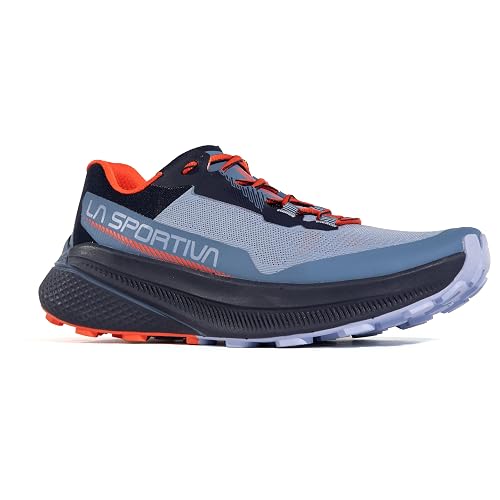
New Balance Women's 410v8 Trail Running Shoes
Product Overview
The 410 series from New Balance has long been positioned as a versatile trail model, and the eighth version continues that approach. The shoe uses a traditional trail silhouette: a rubber outsole with multidirectional lugs, a cushioned midsole and an upper designed to balance breathability with protection from debris. It is sold as a women’s-specific fit, which means the last, heel shape and volume differ from the men’s version rather than simply being a smaller size.
Within the broader New Balance trail lineup, the 410v8 sits in the middle ground. It is less aggressive than the company’s most rugged trail models, yet more structured and trail-oriented than road-focused trainers. Runners shopping for a single pair to cover road warm-ups, park loops and easy trail days often end up comparing it against this kind of all-round option. If you are still deciding on the category, our guide Women's New Balance Trail Running Shoes: How to Choose the Right Pair explains how the different New Balance trail models line up.
Key Features & Specifications
The table below lists the characteristics that are reliably associated with this model and its product line. Where exact figures vary by size or by manufacturer update, we describe the feature qualitatively instead of quoting a number we cannot verify.
| Feature | What It Means for You |
|---|---|
| Product type | Trail running shoe, women’s-specific fit |
| Outsole | Rubber lugged outsole for grip on dirt, gravel and packed trail |
| Midsole | Cushioned foam midsole for daily comfort on mixed surfaces |
| Upper | Engineered mesh-style upper for breathability and light protection |
| Fit | Standard width in most sizes; check the size chart if you have a narrow or wide foot |
| Intended use | Moderate trails, fire roads, trail-to-road transitions |
| Drop | Moderate heel-to-toe drop typical of New Balance trail models; confirm on the product page |
Because specifications are updated by manufacturers from time to time, confirm the current weight, drop and materials on the official listing before purchasing. Fit and feel matter more than any single number here.
Pros & Cons
Pros
- Versatile enough for both pavement warm-ups and moderate dirt or gravel trails.
- Women’s-specific last aims to reduce heel slippage and midfoot pressure common in unisex trail shoes.
- Cushioned midsole suits longer easy runs and back-to-back training days.
- Lugged outsole provides adequate traction on groomed and semi-groomed trail.
- Breathable upper helps manage heat on warmer runs.
- Available in a range of sizes and widths in many retailers, which simplifies a fit check.
Cons
Performance Analysis
Traction is the first question most trail buyers ask. The outsole lugs on the 410v8 are designed for a balance of grip and comfort on hard-packed dirt, gravel and light roots. Owner feedback across trail-oriented models in this category generally describes solid traction on dry and damp dirt, with grip becoming less reliable on wet clay, slick rock and loose downhill sections. If your routes include a lot of those surfaces, a more aggressive lug pattern will serve you better.
Cushioning and comfort are the strengths most often associated with this line. The midsole is tuned for everyday use, which makes it a reasonable choice for longer efforts where joint fatigue is a concern. The trade-off is that a softer platform can feel less stable on uneven ground for some runners, particularly on sharp camber changes. Runners who prioritize a firm, connected feel may prefer a lower-profile trail shoe.
Breathability and fit are where the women’s-specific design matters. The upper is built to vent heat on warm days, though it is not a waterproof shoe and will take on water in puddles and wet grass. Fit reports tend to be positive when the foot is a standard width, and mixed when the foot is at either extreme. A useful habit is to test the shoe on a slight downhill ramp at home to check for heel lift before committing to a longer run.
Durability depends heavily on terrain and mileage. Trail outsoles generally wear more slowly on packed surfaces than on rock, and owners who use the shoe primarily on roads and gravel tend to report longer lifespans. Inspect the outsole and midsole compression regularly; when the cushioning feels flat or the lugs are worn smooth, it is time to replace the pair. Those looking to compare longevity across brands can read 6 Best New Balance 410v8 Trail Running Shoes for Every Trail (2026) for a broader view of the model’s variants.
Who Should Buy This Product?
This shoe makes the most sense for runners who want one pair to handle a mix of surfaces. If your week includes a few road miles, a park loop and an occasional gravel or dirt trail run, the 410v8 covers that range without requiring a second pair. It also suits runners new to trail running who want something more cushioned and forgiving than an aggressive mountain shoe while they learn how their feet respond to uneven ground.
It is a weaker choice for experienced trail racers, for anyone running regularly in mud, snow or technical alpine terrain, and for runners who need a true waterproof membrane. Those buyers should look at a more specialized model with deeper lugs and a protective upper. Runners whose primary concern is a snug, low-volume fit may also want to compare fit notes against other women’s trail models before ordering.
Buying Guide
Start with terrain. Make a list of your typical surfaces over a month of training. If more than half is pavement, gravel or groomed dirt, a versatile trail shoe like this one is likely a good match. If most of your miles are rocky, muddy or steep, prioritize a more aggressive outsole.
Next, measure your foot and check the sizing chart rather than relying on your usual road size. Trail shoes often run slightly differently, and a thumb’s width of space at the toe is a common guideline for downhill comfort. Try shoes in the afternoon, when feet are slightly swollen, and wear the socks you plan to run in.
Consider cushioning and drop. Softer midsoles reduce impact on long runs but can feel less stable on uneven ground. A moderate drop suits most runners, while those with a history of Achilles or calf issues should consult a sports medicine professional or experienced fitter before changing drop significantly.
If you want to compare alternatives within the same family, two options are worth a look. The Women's Trail Running Shoes ASICS: 3 Best Picks for Every Trail (2026) roundup covers another popular brand’s options. Within New Balance itself, the Dynasoft Nitrel V6 is a trail-oriented choice for runners who want a different ride feel:

New Balance Women's Dynasoft Nitrel V6 Trail Running Shoes
For a lighter, more casual trail option from the same brand, the Dynasoft Tektrel V1 is another alternative to consider, especially for shorter outings:

New Balance Women's Dynasoft Tektrel V1 Trail Running Sneakers
FAQ
Are the New Balance women’s 410v8 trail running shoes good for beginners?
They can be a sensible starting point for runners moving onto dirt and gravel for the first time. The cushioning is forgiving and the lugs are moderate, so the learning curve is gentler than with an aggressive mountain shoe. Beginners should still start with shorter, easier trails and build up gradually.
Do these shoes run true to size?
Most owners report a fit close to their usual New Balance size, but individual experiences vary. Check the official size chart, and if you have a wide or narrow foot, consider whether a different width or a half size up is needed. Always confirm the return policy before ordering.
Are they waterproof?
No. The upper is designed for breathability rather than waterproofing, so it will absorb water in puddles, wet grass and stream crossings. For wet conditions, look for a model specifically labeled with a waterproof membrane.
Can I use them for road running?
Yes, for short to moderate road sessions. Trail outsoles generally wear faster on pavement and can feel less smooth on hard surfaces, so reserve them for mixed routes rather than daily road mileage.
How long do trail running shoes like this last?
Lifespan depends on terrain, body weight, running form and mileage. Many runners replace trail shoes after several hundred miles, but the signs to watch for are a flattened midsole, worn lugs and new aches after runs. Track your mileage and inspect the shoes every few weeks.
Should I size up for trail running?
Some trail runners prefer a half size up to allow for foot swelling and downhill toe pressure. Whether that suits you depends on your foot shape and the terrain. Test the fit on an incline if possible, and if you have a medical foot condition, check with a podiatrist before changing sizes.
What socks work best with these shoes?
Moisture-wicking synthetic or merino blends are the most commonly recommended options for trail running. Avoid cotton, which holds moisture and can increase the risk of blisters on longer runs.
Related reading
- 5 Best New Balance 412 V3 Women's Trail Running Shoes: Picks (2026)
- 5 Best New Balance Trail Running Shoes Men's for Every Trail (2026)
- New Balance Women's Running Shoes: How to Choose the Right Pair
- Women's Merrell Trail Running Shoes?
About Caleb Morgan
Caleb Morgan is part of our editorial team and reviews and edits our running gear & races guides, checking product details against manufacturer specifications and owner feedback.