
 By Caleb Morgan
Updated November 2026
Choosing among nike running shoes male options can feel harder than it should, since most of the lineup looks similar on a product page. This list narrows the field to six men’s road running and training models that cover the main needs: everyday miles, speed sessions, cushioning, a lighter daily trainer and a gym-friendly option. Each pick was assessed on published specifications, Nike’s stated intended use, brand track record and the patterns owners tend to describe in reviews. Nothing here comes from personal testing, so check the listing details before you buy.
Our top picks at a glance
- 1
 TOP CHOICEBest overallNike Men's Revolution 8 Road Running ShoesView on Amazon
- 2
 TOP CHOICEBest for high-mileage trainingNike Men's Vomero 18 Road Running ShoeView on Amazon
- 3
 TOP CHOICEBest for speed workNike Men's Run Swift 3 Road Running ShoesView on Amazon
- 4
 Best for a lightweight daily trainerNike Men's Run Defy Road Running ShoesView on Amazon
- 5
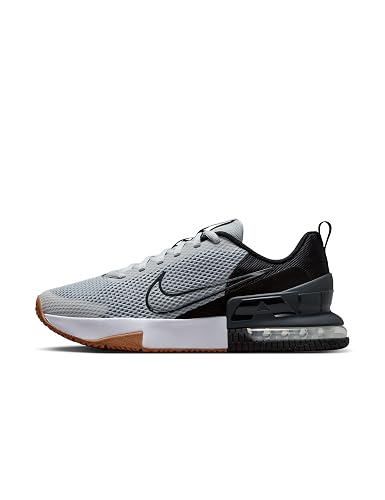 Best for gym and cross-trainingNike Men's Air Max Alpha Trainer 6 Workout ShoesView on Amazon
- 6
 Best classic trainerNike Men's Air Monarch IV Training/Workout ShoesView on Amazon
Our Top Picks
Quick Comparison
| Product | Best for | Key feature |
|---|---|---|
| Nike Men’s Revolution 8 Road Running Shoes | Everyday road miles | Soft, versatile daily cushioning |
| Nike Men’s Vomero 18 Road Running Shoe | High-mileage training | Plush cushioning for longer runs |
| Nike Men’s Run Swift 3 Road Running Shoes | Speed work | Lightweight, responsive feel |
| Nike Men’s Run Defy Road Running Shoes | Lightweight daily trainer | Low-profile, flexible upper |
| Nike Men’s Air Max Alpha Trainer 6 Workout Shoes | Gym and cross-training | Stable, flat platform for lifting |
| Nike Men’s Air Monarch IV Training/Workout Shoes | Casual gym and walking | Supportive, durable classic build |
Nike Men’s Revolution 8 Road Running Shoes
Nike Men's Revolution 8 Road Running Shoes
Best for: Everyday road running at easy and moderate paces
This is a practical starting point for runners who want one shoe for most of their weekly miles. It suits beginners building volume and experienced runners who need a dependable daily option.
Key specs
- Men’s road running shoe with a standard fit
- Designed for daily training and neutral road running
- Lace-up closure
Pros
- Comfortable for longer easy runs
- Versatile enough for most weekly mileage
- Straightforward, familiar Nike fit
Cons
- Less responsive than dedicated speed shoes
- May feel too firm for runners who want maximum plushness
Bottom line: A strong default choice if you want one shoe for most road miles and do not need specialized racing or speed features.
Nike Men’s Vomero 18 Road Running Shoe
Nike Men's Vomero 18 Road Running Shoe
Best for: High-mileage training and long, easy runs
The Vomero line is built around cushioning, which makes it a fit for runners who log heavy weekly volume and want to protect their legs on long days. Heavier runners often look for this kind of plush feel.
Key specs
- Men’s road running shoe focused on cushioned comfort
- Intended for long-distance and high-volume training
- Lace-up closure
Pros
- Plush cushioning suited to long runs
- Good match for high weekly mileage
- Well-established line with a consistent fit
Cons
- Heavier feel than lightweight trainers
- Not ideal for fast, short workouts
Bottom line: Best for runners who prioritize comfort and cushioning over light weight, especially on long training days.
Nike Men’s Run Swift 3 Road Running Shoes
Nike Men's Run Swift 3 Road Running Shoes
Best for: Speed work, tempo runs and faster road sessions
The Swift line is positioned as a lighter, quicker option for runners who want more snap during interval and tempo training. It suits runners already comfortable with a firmer, more responsive ride. Worth reading next: 7 Best Running Shoes for Ladies for Every Run (2026).
Key specs
- Men’s lightweight road running shoe
- Designed for faster training paces
- Lace-up closure
Pros
- Light, quick feel for faster sessions
- Good choice for tempo and interval work
- Lower bulk than plush trainers
Cons
- Less cushioning for long, slow miles
- May feel too firm for recovery days
Bottom line: A good second shoe for runners who want a dedicated faster option alongside a cushioned daily trainer.
Nike Men’s Run Defy Road Running Shoes
Nike Men's Run Defy Road Running Shoes
Best for: A lightweight daily trainer for regular road miles
The Defy is aimed at runners who want a lower-profile, flexible shoe for regular road sessions without a heavy build. It appeals to those who find very thick midsoles unstable or bulky.
Key specs
- Men’s road running shoe with a lightweight build
- Designed for daily training
- Lace-up closure
Pros
- Light and flexible underfoot
- Suits regular daily running
- Easy to wear across varied training days
Cons
- Less cushioning for very long runs
- Fit may run narrow for some wider feet
Bottom line: Pick this if you want a light, flexible daily shoe and your weekly mileage is moderate.
Nike Men’s Air Max Alpha Trainer 6 Workout Shoes
Nike Men's Air Max Alpha Trainer 6 Workout Shoes
Best for: Gym sessions and cross-training rather than long runs
This is a training shoe rather than a dedicated running shoe. It fits runners who split time between running and strength work and want one pair that handles both reasonably well.
Key specs
- Men’s workout and training shoe
- Built for mixed gym and cross-training use
- Lace-up closure
Pros
- Stable base for lifting and training
- Versatile across gym and short runs
- Supportive for mixed workouts
Cons
- Not designed for high-mileage road running
- Less cushioning than road running models
Bottom line: Best for gym-focused athletes who run occasionally. Choose a road running model if you plan to run most of your training.
Nike Men’s Air Monarch IV Training/Workout Shoes
Nike Men's Air Monarch IV Training/Workout Shoes
Best for: Casual gym use, walking and light training
The Monarch is a long-running classic trainer rather than a performance running shoe. It suits people who want a sturdy, familiar shoe for everyday wear and light workouts.
Key specs
- Men’s training and workout shoe
- Classic everyday construction
- Lace-up closure
Pros
- Sturdy, supportive everyday feel
- Good for gym and casual wear
- Familiar, well-known model line
Cons
- Not optimized for running performance
- Heavier than dedicated running shoes
Bottom line: A good pick for walking, gym days and casual use. Runners should look at the road models above instead.
Buying Guide
Running Purpose and Shoe Type
Start by deciding whether you need a road running shoe or a training shoe. Road running models are built for repetitive forward motion on pavement, while workout shoes prioritize a stable base for lifting and lateral movement. Mixing the two can leave you with a shoe that does neither job well.
Good picks for this: Nike Men’s Revolution 8 Road Running Shoes, Nike Men’s Air Max Alpha Trainer 6 Workout Shoes
Cushioning Level
Cushioning is the feature most runners weigh first. Plush midsoles absorb more impact and suit long, slow miles, while firmer, lighter shoes feel more responsive at faster paces. If you log high weekly mileage, prioritize comfort; if you mainly do speed work, lean toward a lighter build.
Good picks for this: Nike Men’s Vomero 18 Road Running Shoe, Nike Men’s Run Swift 3 Road Running Shoes
Weight and Flexibility
Lighter shoes feel quicker but usually offer less protection on long runs. Check the listed weight if available and bend the shoe by hand: a flexible forefoot generally suits a natural stride better than a stiff platform. Compare the weight of a shoe you own with the candidates so you know what feels right.
Good picks for this: Nike Men’s Run Defy Road Running Shoes, Nike Men’s Run Swift 3 Road Running Shoes
Fit and Sizing
Measure both feet in the afternoon, when they are slightly swollen. Running shoes should typically leave about a thumb’s width of space at the toe. Many runners wear half a size up from their dress shoe size, but fit varies by model, so check size charts and return policies before committing.
Good picks for this: Nike Men’s Revolution 8 Road Running Shoes, Nike Men’s Vomero 18 Road Running Shoe
Intended Use and Terrain
Road shoes are designed for pavement and track surfaces. For trails, look at dedicated trail models instead, since road shoes lack grip for loose or uneven ground. Match the shoe to where you spend most of your miles, not where you occasionally go.
Good picks for this: Nike Men’s Run Swift 3 Road Running Shoes, Nike Men’s Run Defy Road Running Shoes
Durability and Wear
Most running shoes lose cushioning well before the upper wears out. A common guideline is to replace running shoes every 300 to 500 miles, though individual body weight, surface and stride affect this. Rotating two pairs can extend the life of each and reduce repetitive stress.
Good picks for this: Nike Men’s Air Monarch IV Training/Workout Shoes, Nike Men’s Vomero 18 Road Running Shoe
Care and Maintenance
Remove the insole to air-dry shoes after wet runs, and avoid high heat, which can warp foams and glues. Hand-wash the upper with mild soap and water instead of machine washing. Loosen laces and let shoes air out between sessions to reduce odor and moisture buildup. A related read: 5 Best Sports Shoes Running Mens for Every Run (2026).
Good picks for this: Nike Men’s Air Max Alpha Trainer 6 Workout Shoes, Nike Men’s Air Monarch IV Training/Workout Shoes
FAQ
What is the main difference between a running shoe and a training shoe?
Running shoes are built for forward, repetitive motion on roads and tracks, with cushioning and flex designed for that movement. Training or workout shoes usually have a flatter, more stable base for lifting and side-to-side work, so they are less suited to long runs.
How many miles should I run in a pair of Nike running shoes?
A common guideline is 300 to 500 miles. Cushioning often fades before the visible wear, so pay attention to how your legs feel as well as the tread and midsole condition.
Should I size up in Nike running shoes?
Many runners choose a half size up from their casual shoe size to allow for foot swelling during runs. Fit varies by model, so check the brand size chart and consider how the toe box feels when you stand and walk.
Can I use a road running shoe for the gym?
You can, but road running shoes often have more cushioning and less lateral stability than workout shoes. For heavy lifting or lateral drills, a dedicated training model is usually a better choice.
Do I need a stability or neutral running shoe?
Many runners do well in neutral shoes. If you have a history of overpronation or recurring foot or knee pain, a professional gait assessment can help determine the right support level. Consult a podiatrist or sports medicine professional for persistent pain.
Are Nike running shoes good for beginners?
Daily road trainers with moderate cushioning are generally a sensible choice for beginners, since they offer comfort across varied easy runs. Start with a model that fits well and increase mileage gradually to reduce injury risk.
Conclusion
For most runners looking at nike running shoes male options, the Revolution 8 is a practical all-round choice for daily road miles. Runners with high weekly volume should look at the Vomero 18 for extra cushioning, while the Swift 3 suits speed work and the Defy fits anyone wanting a lighter daily shoe. The Air Max Alpha Trainer 6 and Air Monarch IV serve gym-focused and casual use better than they serve long road runs. Match the shoe to your main training, check fit carefully and replace shoes as cushioning wears down.
Sources
- General physical activity guidance and recommended weekly exercise levels (cdc.gov)
- Research on running injuries, footwear and biomechanics (nih.gov)
- Position guidance on exercise prescription and footwear selection (acsm.org)
Related reading
- Nike ZoomX Trail Running Shoes: Fit, Traction, and Who Should Buy Them (2026)
- Nike Zegama 2 Trail Running Shoes Review: Is It Worth It?
- Nike Wildhorse 10 Women's Trail Running Shoes: 5 Best Picks Compared (2026)
- Nike Vomero Plus Running Shoes: 5 Best Picks Compared (2026)
About Caleb Morgan
Caleb Morgan is part of our editorial team and reviews and edits our running gear & races guides, checking product details against manufacturer specifications and owner feedback.


