
 By Caleb Morgan
Updated November 2026
Looking for recommended running shoes for men that fit your stride, your weekly mileage and your budget? This guide compares seven models on fit, cushioning, support, weight and the type of running each one suits. We based the selection on manufacturer specifications, brand reputation and common patterns in owner feedback, not on our own wear tests.
Our top picks at a glance
- 1
 TOP CHOICEBest overallBrooks Men’s Revel 8 Running ShoeView on Amazon
- 2
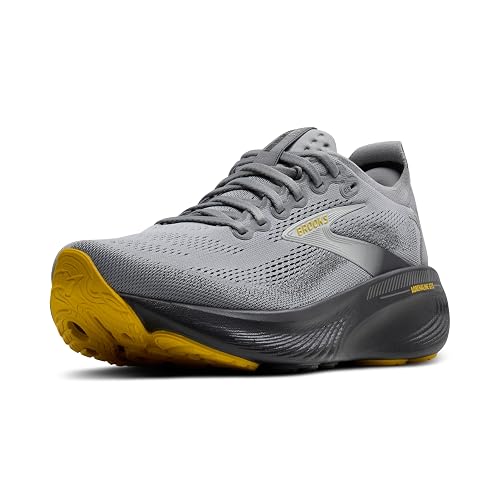 TOP CHOICEBest for high-mileage trainingBrooks Men's Adrenaline GTS 25 Running ShoeView on Amazon
- 3
 TOP CHOICEBest for stability on long runsUnder Armour Men's Charged Assert 9 Running ShoeView on Amazon
- 4
 Best for fast daily runsNike Men's Revolution 8 Road Running ShoesView on Amazon
- 5
 Best for a budget-minded buyerASICS Men's Gel-Contend 10 Running ShoesView on Amazon
- 6
 Best for cushioned recovery daysBrooks Men’s Ghost Max 3 Running ShoeView on Amazon
- 7
 Best for off-road routesNew Balance Men's Fresh Foam 410v9 Trail Running ShoeView on Amazon
Our Top Picks
Quick Comparison
| Product | Best for | Key feature |
|---|---|---|
| Brooks Men’s Revel 8 Running Shoe | Overall daily running | Soft, balanced cushioning |
| Under Armour Men’s Charged Assert 9 Running Shoe | Stability on long runs | Supportive, lightweight upper |
| Brooks Men’s Adrenaline GTS 25 Running Shoe | High-mileage training | Guidance support system |
| Nike Men’s Revolution 8 Road Running Shoes | Fast daily runs | Light, responsive ride |
| ASICS Men’s Gel-Contend 10 Running Shoes | Budget-minded buyers | Gel cushioning in heel |
| Brooks Men’s Ghost Max 3 Running Shoe | Cushioned recovery days | Maximum heel-to-toe cushion |
| New Balance Men’s Fresh Foam 410v9 Trail Running Shoe | Off-road routes | Lugged outsole for grip |
Brooks Men’s Revel 8 Running Shoe
Brooks Men’s Revel 8 Running Shoe
Best for: Overall daily running
A versatile choice for runners who log moderate weekly mileage and want one shoe for most sessions. Owners often describe a smooth, forgiving ride from heel to toe.
Pros
- Soft, balanced cushioning suited to easy runs
- Comfortable fit for a wide range of foot shapes
Cons
- Less responsive than racing-focused models
Under Armour Men’s Charged Assert 9 Running Shoe
Under Armour Men's Charged Assert 9 Running Shoe
Best for: Stability on long runs
Suited to runners who want a supportive, secure feel over longer distances without a heavy shoe. Manufacturers position it as an accessible option for steady training.
Pros
- Secure midfoot hold during extended runs
- Lightweight build for its support level
Cons
- Ride can feel firmer than plusher models
Brooks Men’s Adrenaline GTS 25 Running Shoe
Brooks Men's Adrenaline GTS 25 Running Shoe
Best for: High-mileage training
Designed for runners who need guidance support to limit inward rolling of the foot. It is a common choice for those building weekly volume.
Pros
- Guidance support suited to overpronation patterns
- Durable cushioning for higher weekly mileage
Cons
- Heavier than neutral daily trainers
Nike Men’s Revolution 8 Road Running Shoes
Nike Men's Revolution 8 Road Running Shoes
Best for: Fast daily runs
A lightweight option for runners who want a snappier feel on tempo days and quicker easy runs alike.
Pros
- Light weight for quicker turnover
- Responsive feel on faster efforts
Cons
- Less cushion for very long, slow miles
ASICS Men’s Gel-Contend 10 Running Shoes
ASICS Men's Gel-Contend 10 Running Shoes
Best for: Budget-minded buyers
A practical entry point for new runners or anyone building a basic rotation of road shoes. Owners frequently mention the gel heel cushioning for everyday comfort.
Pros
- Gel cushioning in the heel for impact comfort
- Straightforward, versatile everyday design
Cons
- Fewer premium materials than higher-tier models
Brooks Men’s Ghost Max 3 Running Shoe
Brooks Men’s Ghost Max 3 Running Shoe
Best for: Cushioned recovery days
Built for runners who prioritize a plush landing, especially on slow recovery runs and longer easy miles.
Pros
- Maximum heel-to-toe cushioning
- Smooth transitions on long, easy runs
Cons
- Heavier than lighter daily trainers
Buying Guide
Fit and Toe Box Room
Running shoes should feel snug in the heel and leave roughly a thumb’s width of space in front of your longest toe. Your feet can swell during longer runs, so try shoes on later in the day if you can. A shoe that feels comfortable in the store but pinches during a run will not serve you well.
Cushioning and Ride Feel
Cushioning determines how soft or firm each step feels. Plusher shoes suit easy daily miles and recovery runs, while firmer, lighter shoes can feel more responsive for faster efforts. Think about how many miles you cover each week and choose a level of cushioning that keeps your legs comfortable over that volume.
Support and Stability Needs
Some runners overpronate, meaning their feet roll inward noticeably with each stride, while others have a more neutral gait. Stability shoes add structure to help control that motion, and neutral shoes let the foot move more freely. If you are unsure, a specialty running store can observe your gait and suggest the right category.
Weight and Intended Running Surface
Lighter shoes can feel more agile, but they often trade away some cushioning or durability. Consider where you run most often, since road shoes are designed for pavement and trail shoes offer more grip and protection on dirt, mud and rocky paths. Matching the shoe to your main surface will make a noticeable difference.
Durability and Replacement Timing
Running shoes gradually lose their cushioning and support with use, even when the outsole still looks fine. Many runners replace their shoes after a few hundred miles, though the exact point depends on body weight, running style and the shoe’s construction. Keeping a rough log of your mileage can help you know when it is time for a new pair.
FAQ
How do I know what size running shoe to buy?
Running shoes are often sized a half size larger than your everyday dress or casual shoes to allow room for foot swelling. Always try on both shoes and walk or jog a few steps before buying. Pay attention to heel lockdown and toe room rather than the number on the box alone.
How often should I replace my running shoes?
Most runners replace their shoes somewhere in the range of a few hundred miles, depending on the shoe and the runner. Signs of wear include visible creasing in the midsole, uneven outsole wear and a loss of comfortable cushioning. Rotating two pairs can also extend the life of each one.
Are stability shoes necessary for every runner?
No, stability shoes are only helpful for runners who need extra control over inward foot motion. Many runners do well in neutral shoes that allow the foot to move naturally. If you have no pain or noticeable issues, a neutral model is often a reasonable starting point.
Can I use road running shoes on trails?
You can use road shoes on light, well-packed trails, but they may lack the grip and protection needed for rocky or muddy terrain. Trail shoes offer more aggressive outsoles and sturdier uppers for those conditions. Choosing the right tool for the surface can help prevent slips and discomfort.
Conclusion
If you want a versatile, well-rounded daily trainer, the Brooks Revel 8 is a sensible place to start, while runners logging high weekly mileage may prefer the Adrenaline GTS 25 for its added support and cushioning. Those who need extra stability on long runs should look at the Under Armour Charged Assert 9, and trail-focused runners will find the New Balance Fresh Foam 410v9 better suited to off-road routes.
Runners wanting a lighter, faster-feeling option for tempo workouts can consider the Nike Revolution 8, while the ASICS Gel-Contend 10 and Brooks Ghost Max 3 round out choices for budget-conscious buyers and those who prioritize plush comfort. Match your gait, weekly mileage and running surface to the shoe, and your choice will serve you well.
Related reading
- Saucony Trail Running Shoes Men: 6 Best Picks Compared (2026)
- Saucony Men's Trail Running Shoes: How to Choose the Right Pair (2026)
- Salomon Men's Speedcross 6 Trail Running Shoes Review: Is It Worth It?
- Salomon Men's Speedcross 6 GTX Trail Running Shoes Review (2026)
- On Men's Cloudvista 2 Trail Running Shoes Review: Is It Worth It?
- Nike Men's Juniper Trail 3 Running Shoes: Fit, Use and Who They Suit
About Caleb Morgan
Caleb Morgan is part of our editorial team and reviews and edits our running gear & races guides, checking product details against manufacturer specifications and owner feedback.


