 By Emily Parker
Updated November 2026
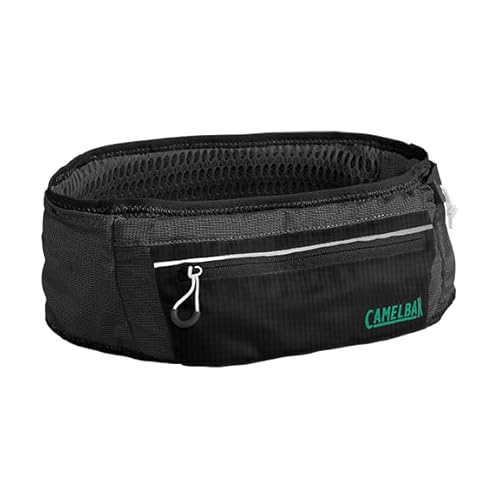
A running belt that doesn’t bounce sits flat against your lower back or hips and stays put from the first mile to the last. You get there by choosing the right style, placing the weight close to your center of gravity, and setting the strap snug without cutting into your stride. This guide walks through each step so you can fix a bouncing belt or buy one that stays still.
Why Running Belts Bounce in the First Place
Most bounce comes from one of three things: the belt is too loose, the load sits too far from your body, or the belt material slides against your shirt or skin. Each foot strike sends a small vertical shock up your torso, and any slack in the system gets amplified with every step. A belt that feels fine while standing can start hopping after ten minutes of running.
Understanding which problem you have saves time. If the belt rotates around your waist, the fit is the issue. If the pouch swings side to side, the load is off-center. If the whole belt creeps upward, the material or strap design is working against you.
Step 1: Choose the Right Style for Your Run
Not every belt is built for stability. Thin elastic waist belts with a single small pocket generally move less than heavier pouch-style belts because they carry less mass. Belts with a wide, padded back panel distribute pressure more evenly. If you run on trails with lots of direction changes, look for a belt designed with a second strap or a compression section that anchors it.
For a deeper look at the different designs, see Types of Running Hydration Belt: 4 Styles and Who Each Suits. Hydration carriers in particular differ widely in how they sit on the body, and the bottle weight changes how much a belt wants to move.
Step 2: Get the Sizing and Fit Right
A belt should feel snug enough that you can barely slide two fingers under the strap while standing, but not so tight that it restricts breathing. Measure your waist at the navel or just above the hip bone, depending on where you plan to wear the belt. Manufacturers usually publish size charts in inches or centimeters, and sizing can differ between brands, so measure before ordering.
Wear the belt where you actually plan to run. A belt worn high on the waist behaves differently from one sitting low on the hips, and the bounce you feel depends on that position. Test the fit on your normal running shorts or tights, since bulky layers change the effective tension.
Step 3: Position the Weight Close to Your Body
The single biggest factor in belt stability is how close the load sits to your spine. Items placed far out on the hip or the front of the belt act like a pendulum. Keep heavier items, such as a phone in a sturdy case, against your lower back or directly over your hip bones.
Distribute weight evenly. If you carry a phone on one side and keys on the other, the belt will tilt and rock. Where possible, use one main compartment and keep smaller items in a secondary pocket on the same plane.
A quick loading checklist
- Heaviest item closest to the spine or center of the back
- Pockets zipped or fastened so nothing shifts during a stride
- Bottles, if used, filled to the same level and seated at equal height
- No loose keys, coins or gels rattling in open pockets
Step 4: Set the Strap Tension
Tension is where many runners go wrong. Too loose and the belt slides with every step. Too tight and you get pressure points, numbness or a belt that pulls up on the skin. Tighten the strap until the belt sits still when you bend, twist and do a few high knees, then back off one notch if you feel any pinching.
Recheck tension after the first mile. Fabric can stretch slightly and sweat changes friction, so a belt that felt right at the start may need a small adjustment.
Tension test in four moves
- Stand still and tighten until the belt is snug.
- Bend forward at the hips and back up again.
- Rotate your torso left and right.
- Jog in place for 30 seconds and watch for rotation or upward creep.
Step 5: Pick Materials That Grip Without Chafing
Smooth nylon and some synthetic blends can slide against sweaty clothing, while silicone or grippy webbing resists movement. Look for a back panel with a textured or lightly tacky surface that contacts your shirt or skin. Breathable mesh reduces sweat buildup, which otherwise lowers friction over long runs.
If you already own a belt that moves, adding a moisture-wicking base layer or a fitted shirt tucked into the waistband can help. Some runners also find that a belt sits better over a thin compression layer than directly on bare skin.
Common Mistakes to Avoid
- Buying one size up for comfort. Extra length almost always produces extra bounce.
- Overloading the belt. More weight amplifies every movement. Carry only what you need on a given run.
- Ignoring the front pouch. A bulky front pocket with an uneven load can tip the whole belt.
- Skipping a test run. A short walk around the block will not reveal bounce. Try a real easy run before committing.
- Tightening the strap to fix sliding. Over-tightening causes discomfort but often does not solve the problem. Check the load position first.
Recommended gear
These types of products are commonly used by runners who want a stable carry system. Confirm current sizing and features on each product page before buying.
- Slim waist belt with a silicone-grip back panel. The grip texture helps prevent the belt from rotating during strides. View on Amazon
- Adjustable running belt with a compression strap. A second anchoring strap reduces side-to-side movement on uneven terrain. View on Amazon
- Hydration belt with balanced bottle pockets. Dual bottle holders at equal height keep weight centered when filled. View on Amazon
Related reading
If you are comparing options, 5 Best No Bounce Running Belts: Top Picks Compared (2026) lays out how several models handle stability side by side. For a broader primer on what belts do, What Is a Running Belt Used For? Uses, Types and Tips (2026) covers the basics. Runners who wear belts for race bibs and gels may also find 10 Best Running Race Belts for Race Day useful. Those who carry a phone will appreciate Slim Running Belt for Phone: 5 Fit Tips and Picks for Every Run (2026), and anyone sweating heavily should read Sweat Belt While Running: How to Choose and Wear One Without Chafing.
FAQ
Why does my running belt bounce only when I speed up?
Faster strides produce larger vertical forces, so any slack or off-center weight becomes more noticeable. Tighten the strap slightly and move heavy items closer to your back.
Should a running belt be tight or loose?
It should feel snug and stay still during bending and twisting. It should not restrict breathing or leave marks on your skin.
Can I fix a bouncing belt without buying a new one?
Often, yes. Reposition the load, reduce what you carry, tighten the strap one notch, and try a moisture-wicking layer underneath. If the belt still moves, it may be the wrong style for your activity.
Does a hydration belt bounce more than a regular running belt?
It can, because bottles add weight further from the body. Balanced bottle placement and a fitted design usually keep it steady.
Where should a running belt sit on the body?
Most runners wear it at the lower back or just above the hips, where the body’s center of mass is more stable. Experiment to find the spot where your stride feels most secure.
Is it normal for a new belt to feel slightly loose at first?
New fabric can soften and stretch a little. Recheck fit after several runs and adjust as needed. If it still moves after breaking in, consider a different size or style.
When should I see a professional about belt-related discomfort?
If you notice persistent numbness, tingling, skin irritation that does not heal, or lower back pain while running, consult a physical therapist or doctor. A professional can check whether the belt or your running form is contributing.
Conclusion
A running belt that doesn’t bounce comes down to four things: the right style, correct sizing, weight held close to the body, and a steady strap tension. Work through the steps in order and test on an easy run before you trust the belt on a long one. Once the fit is dialed in, you should barely notice the belt at all.
Ready to choose one?
About Emily Parker
Emily Parker is part of our editorial team and reviews and edits our running gear & races guides, checking product details against manufacturer specifications and owner feedback.