 By Caleb Morgan
Updated November 2026
Technical trail running shoes are built for rocky descents, muddy climbs, and uneven footing where a standard road shoe will leave you guessing. This list focuses on the features that matter most on technical ground: outsole lug depth and rubber compound, a stable heel and midfoot, rock protection under the forefoot, a secure lockdown, and a fit that holds your foot steady on steep downhills. Each pick is matched to a specific type of runner or terrain so you can narrow the field quickly.
Our top picks at a glance
- 1
 TOP CHOICEBest overallBrooks Men's Ghost Trail Running ShoeView on Amazon
- 2
 TOP CHOICEBest for wide, roomy toe boxesALTRA Men's Lone Peak 9 Trail Running ShoeView on Amazon
- 3
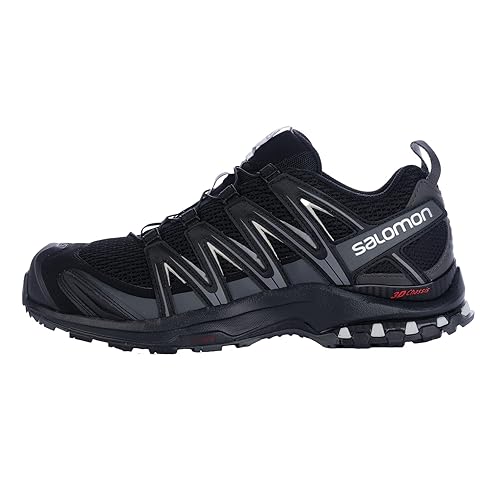
 TOP CHOICEBest for steep, muddy climbsSalomon Men's Speedcross Peak Trail Running ShoesView on Amazon
- 4
 Best for long, cushioned daysALTRA Men's Experience Wild 2 Trail Running ShoeView on Amazon
- 5
 Best for women's all-day comfortBrooks Women's Caldera 8 Ultra Trail Running ShoeView on Amazon
- 6
 Best for a casual-to-trail crossoverNew Balance Men's Dynasoft Tektrel V1 Suede Trail Running ShoesView on Amazon
- 7
 Best for technical, premium buildsArc'teryx Men's Vertex Speed ShoeView on Amazon
Our Top Picks
Quick Comparison
| Product | Best for | Key feature |
|---|---|---|
| Brooks Men’s Ghost Trail Running Shoe | Everyday trail runs on mixed terrain | Balanced cushioning and a smooth ride |
| ALTRA Men’s Lone Peak 9 Trail Running Shoe | Wide feet and natural foot splay | Foot-shaped toe box and zero-drop platform |
| Salomon Men’s Speedcross Peak Trail Running Shoes | Steep, muddy, and loose climbs | Aggressive lugs for deep grip |
| ALTRA Men’s Experience Wild 2 Trail Running Shoe | Long-distance and high-mileage training | Thick, soft cushioning |
| Brooks Women’s Caldera 8 Ultra Trail Running Shoe | Women’s long trail runs and ultras | Plush midsole with stable underfoot feel |
| New Balance Men’s Dynasoft Tektrel V1 Suede Trail Running Shoes | Mixed trail and pavement routes | Suede-accented upper and everyday comfort |
| Arc’teryx Men’s Vertex Speed Shoe | Fast, technical single-track | Precise fit and lightweight secure lockdown |
Brooks Men’s Ghost Trail Running Shoe
Brooks Men's Ghost Trail Running Shoe
Best for: Everyday trail runs on mixed terrain
This is a versatile option for runners who split their time between dirt trails, fire roads, and occasional rocky sections. Its balanced cushioning suits moderate distances without feeling overly soft underfoot.
Key specs
- Men’s trail running model from Brooks
- Designed for mixed trail and road-to-trail use
- Cushioned midsole for everyday training
Pros
- Smooth, predictable ride across varied surfaces
- Comfortable for long easy runs
- Good fit for runners new to technical trails
Cons
- Less aggressive lugs than dedicated mud shoes
- May feel too soft for very technical rock descents
Bottom line: A strong first choice for runners who want one shoe that handles most trail days without a steep learning curve.
ALTRA Men’s Lone Peak 9 Trail Running Shoe
ALTRA Men's Lone Peak 9 Trail Running Shoe
Best for: Wide feet and natural foot splay
The Lone Peak line is widely known for its foot-shaped toe box, which lets the toes spread naturally. Runners with wide forefeet often find it more comfortable than narrow-last trail shoes.
Key specs
- Zero-drop platform (heel and forefoot at the same height)
- Foot-shaped toe box
- Designed for trail running
Pros
- Generous toe room for splay and swelling
- Stable, grounded feel on uneven ground
- Well suited to natural-running preferences
Cons
- Zero-drop geometry requires an adjustment period
- Can feel firm for runners who want plush cushioning
Bottom line: Best for runners with wide feet or those transitioning to zero-drop footwear, provided they ease into the mileage.
Salomon Men’s Speedcross Peak Trail Running Shoes
Salomon Men’s Speedcross Peak Trail Running Shoes
Best for: Steep, muddy, and loose climbs
The Speedcross family is built around deep, widely spaced lugs that bite into soft and slippery ground. It is a common pick for runners who spend time on steep, loose, or muddy terrain.
Key specs
- Aggressive, deep lug outsole
- Designed for trail running in wet and loose conditions
- Secure lacing system for a locked-in fit
Pros
- Excellent grip on mud, scree, and wet rock
- Secure heel and midfoot hold on climbs
- Good choice for hiking-style trail running
Cons
- Heavier and more aggressive than everyday trainers
- Lugs can feel excessive on firm, dry trails
Bottom line: Pick this if your routes are steep, wet, or loose more often than they are smooth and runnable.
ALTRA Men’s Experience Wild 2 Trail Running Shoe
ALTRA Men's Experience Wild 2 Trail Running Shoe
Best for: Long-distance and high-mileage training
The Experience Wild line uses a thicker, softer midsole aimed at runners covering long distances on trail. It suits those who want cushioning for hours on their feet.
Key specs
- Zero-drop platform
- Cushioned midsole for long-distance use
- Trail running construction
Pros
- Plush cushioning reduces fatigue on long efforts
- Roomy toe box suits many foot shapes
- Stable platform for steady pacing
Cons
- Soft midsole can feel less responsive on fast descents
- Zero-drop feel is an adjustment for some runners
Bottom line: A good match for ultra-distance training and long weekend runs where comfort matters more than speed.
Brooks Women’s Caldera 8 Ultra Trail Running Shoe
Brooks Women’s Caldera 8 Ultra Trail Running Shoe
Best for: Women’s long trail runs and ultras
The Caldera line is aimed at longer efforts, with a women’s-specific fit designed to hold the heel and midfoot steady over extended mileage.
Key specs
- Women’s-specific fit
- Plush midsole for long-distance comfort
- Trail-focused outsole
Pros
- Stable underfoot feel on long, uneven routes
- Women’s-specific last suits many foot shapes
- Good cushioning for extended time on feet
Cons
- Heavier than lightweight racing shoes
- Less nimble on very technical single-track
Bottom line: A strong option for women who run long trail distances and want stability with cushioning.
New Balance Men’s Dynasoft Tektrel V1 Suede Trail Running Shoes
New Balance Men's Dynasoft Tektrel V1 Suede Trail Running Shoes
Best for: Mixed trail and pavement routes
This model blends a casual suede-accented look with trail-ready construction, making it a practical choice for runners who go from trail to sidewalk without changing shoes.
Key specs
- Suede-accented upper
- Trail running construction
- Men’s fit
Pros
- Comfortable transition between trail and pavement
- Easy-going look for everyday wear
- Solid support for moderate trail routes
Cons
- Suede needs more care in wet or muddy conditions
- Not a first choice for steep, technical terrain
Bottom line: Good for runners who want one pair for trails, errands, and casual wear, especially on mixed routes.
Arc’teryx Men’s Vertex Speed Shoe
Arc'teryx Men's Vertex Speed Shoe
Best for: Fast, technical single-track
The Vertex Speed is positioned as a precise, lightweight shoe for runners who prioritize a close, responsive fit on demanding trails.
Key specs
- Men’s trail running shoe from Arc’teryx
- Lightweight, low-profile build
- Designed for technical trail use
Pros
- Close, secure fit for fast footwork
- Responsive feel on technical sections
- Premium build quality
Cons
- Lower cushioning may not suit long, high-impact days
- Snug fit may not work for wide feet
Bottom line: Best for experienced runners who want a precise, lightweight shoe for fast, technical ground.
Buying Guide
Outsole lug depth and rubber compound
Lug depth determines how well a shoe bites into mud, loose gravel, and wet roots. Shallow lugs (around 2–3 mm) suit firm, dry trails, while deeper lugs (4–6 mm or more) grip soft and steep ground. Compound matters too: stickier rubber improves wet-rock traction but can wear faster.
Good picks for this: Salomon Men’s Speedcross Peak Trail Running Shoes, Brooks Men’s Ghost Trail Running Shoe
Heel and midfoot stability
On descents and side-hills, a stable heel counter and midfoot shank keep your foot from rolling. Look for a firm heel cup and a snug heel lock. Runners who overpronate often benefit from more structure.
Good picks for this: Brooks Women’s Caldera 8 Ultra Trail Running Shoe, Brooks Men’s Ghost Trail Running Shoe
Toe box width and foot shape
A cramped toe box causes numbness, blisters, and black toenails on long descents. Measure your foot while standing, including width at the ball, and compare to the shoe’s last. A foot-shaped toe box lets toes spread, which helps on climbs and descents.
Good picks for this: ALTRA Men’s Lone Peak 9 Trail Running Shoe, ALTRA Men’s Experience Wild 2 Trail Running Shoe
Drop and platform height
Drop is the height difference between heel and forefoot. Zero-drop shoes keep both level, while traditional shoes carry a heel-to-toe offset. Changes in drop shift load to different muscles, so transition gradually, adding a few short runs per week rather than switching all at once.
Good picks for this: ALTRA Men’s Lone Peak 9 Trail Running Shoe, ALTRA Men’s Experience Wild 2 Trail Running Shoe
Cushioning level and terrain match
Thick midsoles soften impact on long runs but can feel unstable on technical rock. Thin, firm midsoles offer more ground feel and responsiveness. Match cushioning to your typical route: plush for long, mostly smooth efforts; firmer for rocky, quick sections.
Good picks for this: ALTRA Men’s Experience Wild 2 Trail Running Shoe, Arc’teryx Men’s Vertex Speed Shoe
Lockdown and lacing system
A secure lockdown keeps your foot from sliding forward on descents, which causes toe bruising. Use a heel-lock lacing technique if the heel slips, and check that the laces or straps hold the midfoot without pinching the top of the foot.
Good picks for this: Salomon Men’s Speedcross Peak Trail Running Shoes, Arc’teryx Men’s Vertex Speed Shoe
Durability and care
Trail shoes typically wear faster than road shoes because of abrasive surfaces. Rinse mud after runs, let shoes air-dry away from direct heat, and remove insoles to speed drying. Replace shoes when lugs are visibly worn or midsole compression no longer returns, which often happens after several hundred miles, though this varies by runner and terrain.
Good picks for this: New Balance Men’s Dynasoft Tektrel V1 Suede Trail Running Shoes, Brooks Men’s Ghost Trail Running Shoe
FAQ
What makes a trail shoe “technical”?
A technical trail running shoe has aggressive or well-spaced lugs, a secure fit, rock or toe protection, and a stable platform. These features help on rocky, muddy, or steep ground where a standard trainer would slip or feel unstable.
Do I need a zero-drop shoe for technical trails?
No. Zero-drop shoes suit many runners, but traditional-drop shoes are equally valid. Choose based on comfort, fit, and your running history, and transition slowly if you switch drop height.
How much lug depth do I need?
For dry, firm trails, lugs around 2–3 mm are often enough. For soft mud, loose gravel, or steep climbs, deeper lugs of roughly 4–6 mm or more are typically more effective. Consider your most common terrain.
Should trail shoes be a half size bigger?
Many runners size up by a half size to allow for foot swelling and downhill toe pressure. Test the fit at the end of the day and check that your toes have room without the heel slipping.
How often should I replace technical trail running shoes?
Replacement depends on wear, terrain, and runner weight. Many runners replace shoes after several hundred miles, but check for worn lugs, collapsed midsole foam, or new aches. Individual needs vary, so consult a running specialist if you are unsure.
Can I use technical trail shoes on roads?
You can, but aggressive lugs wear faster on pavement and can feel less comfortable. For frequent road running, a shoe built for mixed use is usually more practical.
Are wider trail shoes available for women and men?
Yes. Many brands offer wide or roomy toe boxes in men’s and women’s models. Check the brand’s size guide and measure your foot width before ordering.
Conclusion
For most runners, the Brooks Men’s Ghost Trail Running Shoe offers a balanced starting point across mixed terrain. If you have wide feet or prefer zero-drop geometry, the ALTRA Lone Peak 9 or Experience Wild 2 are sensible options. Steep, muddy routes point toward the Salomon Speedcross Peak, while the Brooks Women’s Caldera 8 Ultra suits women’s long-distance training. The Arc’teryx Vertex Speed fits experienced runners seeking a precise, lightweight shoe for fast technical ground, and the New Balance Tektrel V1 works well for mixed trail-and-pavement use. Match the shoe to your terrain, foot shape, and mileage, and try a few options if you can.
Sources
- Guidance on safe outdoor activity, hydration, and heat awareness for trail runners (cdc.gov)
- Trail conditions, terrain difficulty ratings, and safety information for hiking and running routes (nps.gov)
- Evidence-based guidance on running form, training load, and footwear considerations (acefitness.org)
Related reading
- Zegama 2 Trail Running Shoes: Fit, Traction, and Who They Suit (2026)
- Women's Trail Running Shoes ASICS: 3 Best Picks for Every Trail (2026)
- Winter Running Trail Shoes: 6 Best Picks for Cold, Wet Trails (2026)
- Trail Running Shoes vs Running Shoes (2026): Which Is Better for Your Runs?
- Trail Running Shoes for Overpronators: 6 Best Picks for Every Trail (2026)
- Trail Running Shoes Zero Drop: 7 Things to Know Before You Buy
About Caleb Morgan
Caleb Morgan is part of our editorial team and reviews and edits our running gear & races guides, checking product details against manufacturer specifications and owner feedback.