
 By Caleb Morgan
Updated November 2026
Choosing the best running shoes for ladies comes down to fit, cushioning, support and how you plan to use them. Women’s feet are typically narrower through the heel and have a different arch and width profile than men’s, so a women’s-specific last usually makes a difference on long runs. The picks below are based on product listings, brand reputation and common owner feedback, with a focus on road running, daily training and comfortable walking-to-running use.
Our top picks at a glance
- 1
 TOP CHOICEBest overallBrooks Women's Anthem 8 Running ShoeView on Amazon
- 2
 TOP CHOICEBest for budget buyersRunning Shoes for Women Men Tennis Walking Gym Workout SneakersView on Amazon
- 3
 TOP CHOICEBest for stabilityASICS Women's Gel-Contend 10 Running ShoesView on Amazon
- 4
 Best for responsive speed workNike Women's Revolution 8 Road Running ShoesView on Amazon
- 5
 Best for wide feetNew Balance Women's Fresh Foam 520 V9 Running ShoesView on Amazon
- 6
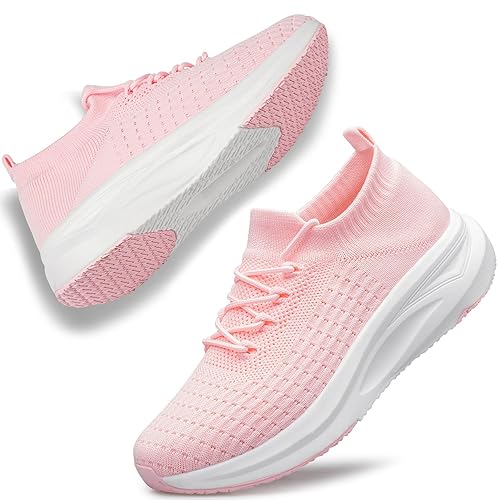 Best for easy slip-on wearYHOON Womens Slip on Walking Shoes Comfort Sock Shoes Non Slip Mesh CaView on Amazon
- 7
 Best for lightweight daily milesK-Swiss Women's Mellow Lightweight Running Walking ShoeView on Amazon
Our Top Picks
| Product | Best for | Key feature |
|---|---|---|
| Running Shoes for Women Men Tennis Walking Gym Workout Sneakers | Budget buyers | Lightweight mesh upper |
| Brooks Women’s Anthem 8 Running Shoe | Best overall | Balanced cushioned ride |
| ASICS Women’s Gel-Contend 10 Running Shoes | Stability | Supportive heel construction |
| Nike Women’s Revolution 8 Road Running Shoes | Responsive speed work | Lightweight foam midsole |
| New Balance Women’s Fresh Foam 520 V9 Running Shoes | Wide feet | Roomy toe box options |
| YHOON Womens Slip on Walking Shoes Comfort Sock Shoes Non Slip Mesh Casual Running Sneakers | Easy slip-on wear | No-lace sock-style fit |
| K-Swiss Women’s Mellow Lightweight Running Walking Shoe | Lightweight daily miles | Low-profile light build |
Running Shoes for Women Men Tennis Walking Gym Workout Sneakers
Running Shoes for Women Men Tennis Walking Gym Workout Sneakers
Best for: Budget buyers
This is a versatile everyday option for women who mix walking, gym sessions and light running in one pair.
Pros
- Breathable mesh upper keeps feet cool
- Flexible sole suits varied workouts
Cons
- Less cushioning for long runs
Brooks Women’s Anthem 8 Running Shoe
Brooks Women’s Anthem 8 Running Shoe
Best for: Best overall
A well-rounded daily trainer for runners who want comfort across easy miles and steady tempo days.
Pros
- Balanced cushioning for many running styles
- Women’s-specific fit profile
Cons
- May feel firm for runners who want maximum softness
ASICS Women’s Gel-Contend 10 Running Shoes
ASICS Women's Gel-Contend 10 Running Shoes
Best for: Stability
Suited to runners who want steady support and a secure heel, especially on longer efforts.
Pros
- Supportive heel and midfoot structure
- Durable outsole for regular road use
Cons
- Heavier than minimalist options
Nike Women’s Revolution 8 Road Running Shoes
Nike Women's Revolution 8 Road Running Shoes
Best for: Responsive speed work
A lightweight option for runners who want a snappy feel on intervals, tempo runs and shorter daily sessions.
Pros
- Light weight makes quick turnover easier
- Simple, streamlined upper
Cons
- Less plush for high-mileage easy days
New Balance Women’s Fresh Foam 520 V9 Running Shoes
New Balance Women's Fresh Foam 520 V9 Running Shoes
Best for: Wide feet
A practical choice for women who need extra room in the forefoot and a comfortable, stable ride.
Pros
- Available in wider width options
- Soft foam cushioning for everyday runs
Cons
- Bulkier look than racing-style shoes
YHOON Womens Slip on Walking Shoes Comfort Sock Shoes Non Slip Mesh Casual Running Sneakers
YHOON Womens Slip on Walking Shoes Comfort Sock Shoes Non Slip Mesh Casual Running Sneakers
Best for: Easy slip-on wear
Designed for those who want quick on-and-off comfort for errands, walks and light jogging.
Pros
- Slip-on design needs no laces
- Sock-style fit hugs the foot
Cons
- Not built for serious running mileage
Buying Guide
Fit and Width
Fit matters more than any other factor. Women’s shoes are usually built on a narrower heel and a different arch shape, so try on several pairs and look for a snug heel with room in the toe box. Shop later in the day when your feet are slightly swollen, and wear the socks you plan to run in.
If you have wide feet, check whether a brand offers a wide option before buying a standard-width pair.
Cushioning and Support
Cushioning level depends on your stride, body weight and how far you run. Neutral runners who log steady miles often prefer moderate to plush cushioning, while those who overpronate may benefit from stability features that help control inward roll of the foot.
If you are unsure of your gait, a local running store can watch you walk or run and suggest a category to start with.
Intended Use
A shoe built for daily road running is not always ideal for gym sessions, trail routes or all-day walking. Lightweight racing-style shoes feel fast but may offer less protection on long runs, while cushioned trainers handle everyday mileage better. Match the shoe to your most common activity first.
Weight and Breathability
Lighter shoes can feel more agile, but very minimal designs may not suit everyone. Breathable mesh uppers help keep feet cool and dry during warm-weather workouts, which can reduce discomfort and blisters on longer outings.
Durability and Replacement Timing
Running shoes lose cushioning over time, even when the outsole still looks intact. Many runners replace their shoes after several hundred miles, so track your mileage and watch for creasing, uneven wear or a loss of bounce underfoot. A durable outsole is a plus, but comfort and support are what protect your joints.
FAQ
Do women really need shoes made specifically for women?
Women’s shoes are typically designed with a narrower heel, a different arch profile and a shorter, narrower fit through the midfoot. Many women find these differences improve comfort and reduce rubbing, though some do well in unisex or men’s models. Trying on both styles is the best way to know what works for your foot.
How do I know what size to buy in running shoes?
Running shoes should usually be about a half size larger than your everyday dress shoe, leaving roughly a thumb’s width of space at the front. Your feet can swell during long runs, so room in the toe box is important. Always test the fit with a walk or light jog in the store if possible.
Can I use these shoes for walking or gym workouts?
Many running shoes work well for walking and light gym training, especially cushioned trainers and slip-on styles. For heavy lifting or lateral movement, however, a cross-training shoe with a flatter, more stable base is usually a better choice. Consider how you spend most of your time in the shoes before deciding.
How often should I replace my running shoes?
Most runners replace their shoes after several hundred miles, though the exact point depends on your weight, running surface and shoe construction. Signs it is time for a new pair include a loss of cushioning, visible wear on the midsole and new aches in your feet, knees or hips. Keeping a simple mileage log can help you plan replacements.
Conclusion
If you want a balanced, dependable daily trainer for regular road running, the Brooks Anthem 8 is a strong all-around choice. Runners looking for a comfortable, easy-to-wear option for walking, light workouts or budget-conscious shopping may prefer the slip-on or everyday styles in this lineup.
Start by matching the shoe to your main activity and fit needs, then choose the model that feels most comfortable on your feet.
Related reading
- Top 7 Ladies Trail Running Shoes with Grip and Comfort for Every Trail
- Ladies Adidas Trail Running Shoes: 5 Best Picks for Every Trail (2026)
- 5 Best Saucony Ladies Trail Running Shoes for Every Trail (2026)
- 5 Best Brooks Running Shoes for Ladies Compared (2026)
About Caleb Morgan
Caleb Morgan is part of our editorial team and reviews and edits our running gear & races guides, checking product details against manufacturer specifications and owner feedback.


