
 By Owen Palmer
Updated November 2026
The camelbak running hydration belt suits runners who want to carry water on medium and long efforts without wearing a full vest, and who value a secure, low-bounce fit. It is a good match for road and trail runners training for half marathons, marathons or longer ultras, especially in warm weather or on routes with few water stops. It is less suited to runners who only do short sessions under an hour, people who want to carry a large amount of gear, or anyone who dislikes anything around the waist. If you mostly run in cool conditions or stay close to home, a handheld bottle or a simpler waist pack may be enough.
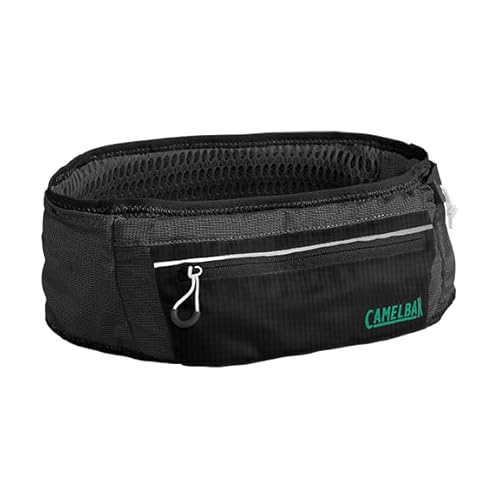
CamelBak Ultra Running Hydration Belt
Product Overview
The CamelBak Ultra Running Hydration Belt is a waist-mounted hydration system built around CamelBak’s running-specific line. Its appeal is in the middle ground it occupies: more water capacity and access than a standard running belt with a single bottle, but a smaller, flatter footprint than a hydration vest. The belt design keeps weight centered around the hips, which many runners find more comfortable for sustained efforts than shoulder-loaded packs.
The product is aimed at runners who want reliable hydration on the move without committing to a full pack. Because it sits low on the body, it generally feels less restrictive across the chest and shoulders, which can matter during long runs where arm swing and breathing comfort add up over time. Owners commonly describe it as a practical choice for training runs where water stops are spread out, and for races that limit aid station support in particular sections.
Keep in mind that hydration belts trade some capacity for simplicity. If your plan involves carrying extra layers, nutrition, a phone and emergency gear for remote trail outings, a vest will almost always offer more room. The Ultra belt is best understood as a focused tool for water and a few essentials.
Key Features & Specifications
The table below lists what the product name and general CamelBak running-line design indicate. Confirm exact dimensions, volume and included accessories on the current Amazon listing before purchasing, since configurations can change between versions.
| Feature | What It Means for Runners |
|---|---|
| Product type | Waist-mounted running hydration belt (not a vest) |
| Brand line | CamelBak Ultra running hydration series |
| Carry style | Hip-centered load with reduced upper-body contact |
| Hydration access | Bottle or reservoir-style carry, depending on the included configuration |
| Intended use | Road running, trail running and training runs of moderate to long duration |
| Storage | Small pocket space for keys, gels or a compact phone (check listing for pocket count) |
| Fit adjustment | Adjustable waist closure to fit a range of waist sizes |
Before buying, check the listing for the exact bottle or reservoir volume, the number of pockets and the material details. Manufacturers typically specify these, and they vary by configuration.
Pros & Cons
Pros
- Hip-centered carry tends to feel steadier than a bottle held in the hand, with less arm fatigue on long runs.
- Lower profile than a hydration vest, so it is less bulky under a loose shirt.
- Useful for longer efforts where you need water access without stopping.
- Pockets give room for basic essentials such as gels, keys and a small phone.
- Adjustable closure helps accommodate changes in body size or clothing layers.
Cons
- Carrying capacity is limited compared with a full vest, which may not suit ultra-distance or cold-weather kit.
- Some runners report the belt can shift during very fast efforts or on uneven terrain if not snugged properly.
- Bottle-style setups can feel less intuitive for some users than a vest’s chest-mounted access points.
- Waist-based packs can cause chafing for people who sweat heavily or have sensitive skin, especially without a layer underneath.
Performance Analysis
Performance with a hydration belt depends on three things: how well it stays put, how easy it is to drink from while moving, and whether it adds noticeable weight or friction over distance. Based on the product’s design and the patterns runners commonly describe in owner feedback, the Ultra belt does well on the first and third points when fitted correctly. Most reports suggest that a snug, properly positioned belt, worn over a thin base layer, minimizes bounce on steady-pace runs.
Fit is where most of the variation shows up. Owners who wear the belt high on the hips with a firm but not tight setting tend to report the most stable feel. Positioning it too low can cause the load to swing with each stride, while overtightening can create pressure points on the hip bones. Expect a short adjustment period during the first two or three runs as you find the right placement.
Hydration access is generally straightforward at moderate paces. Drinking while running is easier at steady effort than during sprints or hard intervals. For runners who need to hydrate frequently in hot conditions, the amount of water you can carry on a belt may be the limiting factor rather than the mechanics of drinking. Plan your route around the volume you can carry, and use a second water source on longer outings if needed.
Weight distribution is another strength. Because the load sits low and close to the body’s center of mass, many runners find it less disruptive to form than a backpack-style load. This is especially noticeable on hilly routes where a high, shifting weight can change posture.
Who Should Buy This Product?
This belt suits runners who regularly do efforts of 60 minutes or more and want water without a full vest. It also fits people who run in warm climates, train for races with limited aid stations, or simply prefer hands-free hydration. If you value a lightweight, streamlined feel and are comfortable carrying a modest amount of water and essentials, it is a sensible choice.
You should probably skip it if your runs are short (under about 45 minutes), if you need to carry significant gear for trail safety, or if you run in cold conditions that require extra layers. Runners who are highly sensitive to anything around the waist, or who have had chafing problems with belts before, may prefer a vest with chest-mounted hydration instead.
Buying Guide
Start by deciding how much water you actually need. A useful rule is to estimate your sweat rate during a training run: weigh yourself before and after a one-hour run without drinking, then divide the weight lost by the time. Current sports nutrition guidance commonly suggests planning fluid intake around that figure, adjusted for heat and humidity. If your total need exceeds what the belt can carry, plan refill points or choose a vest. Consult a sports dietitian or physician if you have a medical condition that affects fluid balance.
Next, consider fit. Measure your waist at the point where you want the belt to sit, usually just above the hip bones. Check the listing for the adjustment range. Read the sizing notes carefully, because waist belts that fit well in a store may feel different after a few miles of sweating.
Think about storage. Decide what you will carry: a phone, gels, keys, a small ID card. Make sure the pockets can handle those items and that they are accessible while running. If you use a phone, check the pocket dimensions against your device.
Finally, compare alternatives. Two well-known options worth considering are listed below.
The CamelBak hydration pack is a broader option for runners who want a vest-style carry and more capacity, with a different load position and more storage space:

CamelBak ProductsHydration Pack
The CamelBak Ultra Belt in the Corsair Teal colorway is a color variant of the same family of running belts, useful if you prefer a different look or want better visibility in low light. Confirm that the listing matches the configuration you want:

CamelBakLightweight Hydration Without BulkBreathableComfortable CarrySecure Phone StorageVisibility in Low Light Conditions Ultra Belt Running Hydration Pack, Corsair Teal
If you want to compare belt styles more broadly before deciding, you may find Camelbak Ultra Running Hydration Belt: 6 Best Picks for Every Run (2026) and Types of Running Hydration Belt: 4 Styles and Who Each Suits helpful. For how to get comfortable with a new belt, see Running with Hydration Belt: 7 Steps to Stay Hydrated on Every Run and Sweat Belt While Running: How to Choose and Wear One Without Chafing.
FAQ
Is the CamelBak Ultra Running Hydration Belt good for long runs?
It is designed for moderate to long training runs, and its hip-centered carry helps keep the load stable over time. The main limit is capacity. For runs beyond a few hours in heat, plan refill points or consider a vest.
How should a camelbak running hydration belt fit?
Wear it snug enough that it does not bounce, positioned high on the hips, over a thin base layer. Check that it does not pinch when you drink or lift your arms. Recheck the fit after your first few runs, since sweat and fabric settling can change it.
Will a hydration belt chafe?
It can, particularly if it rubs bare skin during heavy sweating. Wearing a moisture-wicking base layer underneath and choosing a fit that sits without excess movement usually reduces the risk. Anti-chafing balm on the contact points also helps for many runners.
How much water can I carry on this belt?
Check the current listing for the exact bottle or reservoir volume included, since configurations vary. Use that figure to plan your route and hydration strategy.
Can I carry a phone in it?
Many runners do, but confirm the pocket dimensions against your phone’s size before relying on it. Larger phones may not fit well or may cause bounce.
Is a hydration belt better than a handheld bottle?
For many runners, yes. A belt keeps both hands free and distributes weight more evenly than a handheld bottle. A handheld can be simpler and cheaper to replace, and some runners prefer it for short efforts.
Does the belt work for trail running?
It can, but trail runners on technical or remote routes often want more storage for safety items. If you need a first-aid kit, extra layers or a larger water supply, a vest is usually the better fit.
Related reading
- 6 Best Nathan Hydration Running Belt Picks for Every Run (2026)
- 6 Best Hydration Running Belts with Bottles for Every Run (2026)
- 5 Best Running Belts for Poles: Hydration and Pole-Carrying Picks Compared
About Owen Palmer
Owen Palmer is part of our editorial team and reviews and edits our running gear & races guides, checking product details against manufacturer specifications and owner feedback.





