By Caleb Morgan
Updated November 2026
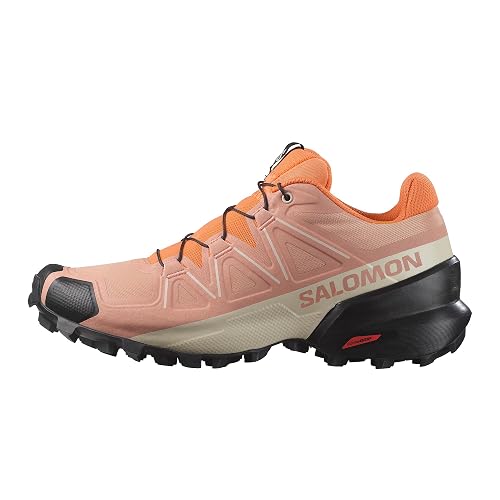
The speedcross 6 gore-tex trail running shoes are built for runners who spend time on muddy, loose, or wet ground and want their feet to stay dry. This guide walks you through how to judge whether this model suits your running, how to size it correctly, what the outsole and waterproof membrane actually do, and where the shoe may fall short. By the end, you should be able to make a confident buying decision or rule the shoe out with good reasons.
What the Speedcross 6 GORE-TEX Is Designed to Do
Salomon’s Speedcross line has long been associated with aggressive lugs and a snug, locked-in fit. The GORE-TEX version adds a waterproof and breathable membrane to the upper, which changes the shoe’s job from simply gripping mud to keeping water out during wet runs, creek crossings, and rainy-season training. Manufacturers generally position the model for technical trail running, wet conditions, and runners who prioritize foothold over cushioning softness. If your routes are mostly dry, groomed gravel, a different shoe will likely serve you better, and our overview of Salomon Speedcross 6 GORE-TEX Trail Running Shoes Review: Who Is It For? covers the audience in more detail.
Step 1: Decide Whether You Need Waterproofing
Before comparing features, decide whether a membrane is worth the trade-offs. Waterproof trail shoes keep out rain, puddles, and wet grass, but they also hold heat and moisture inside once water gets in from the top or through a cuff. In warm, humid climates, many runners find a non-membrane shoe more comfortable. In cold, wet, or variable climates, a membrane can make a real difference to comfort.
- Choose the GORE-TEX version if you regularly run in rain, snow melt, or boggy terrain.
- Consider a standard mesh version if you run mostly in heat or on dry, dusty trails.
- Remember that waterproof shoes do not stay dry forever. Deep stream crossings will eventually fill them, and they can take a long time to dry.
If you are still weighing options across different waterproof models, our roundup of 7 Best GTX Trail Running Shoes for Wet and Muddy Trails (2026) and 9 Best Trail Waterproof Running Shoes for Wet and Muddy Terrain (2026) compares several alternatives side by side.
Step 2: Check the Fit Before You Buy
The Speedcross has a reputation for a secure, slightly narrow fit through the midfoot and heel. Runners with wide forefeet or high volume often find the toebox restrictive, while runners with narrow heels usually appreciate the lockdown. Fit is the single most important factor in whether this shoe works for you, so take time with it.
Sizing Steps
- Measure both feet in the afternoon, when they are slightly swollen from the day.
- Compare your measurements to the manufacturer’s size chart in centimeters, not just your usual size.
- Try the shoes on with the socks you plan to run in, ideally the same thickness you wear on trail runs.
- Stand, then walk heel-to-toe and make a short downhill movement. Your toes should not hit the front, and your heel should not lift noticeably.
- Check the width across the ball of the foot. If it pinches, consider a different model or a different size with more room.
For a broader approach to sizing across brands, see Running Shoe Size Guide: How to Find Your Right Fit in 6 Steps.
Step 3: Evaluate the Outsole and Traction
The outsole is where the Speedcross earns its name. The lugs are deep and spaced to shed mud, which helps prevent the buildup that makes many trail shoes slide on clay or wet roots. Owners commonly report good grip on loose gravel, mud, and wet rock, though very slick, smooth granite can still be a challenge. Traction ultimately depends on the surface, your technique, and how worn the lugs become.
| Terrain | Expected Grip | Notes |
|---|---|---|
| Wet mud and clay | Strong | Aggressive lugs help clear buildup |
| Loose gravel | Strong | Stable underfoot on descents |
| Wet rock | Moderate | Use cautious footwork on slick surfaces |
| Packed dirt and roads | Adequate | Lugs feel more pronounced on pavement |
Step 4: Consider Cushioning and Ride Feel
This is not a maximal cushioning shoe. Runners who want a plush, long-distance ride may find the Speedcross firmer than expected. The ride feels more connected to the ground, which many technical runners prefer for control on uneven terrain. If you are used to a soft midsole, plan a few shorter runs before committing to longer efforts. Drop and stack height details vary by model year, so check the current specifications before buying.
Step 5: Plan for Maintenance and Drying
Waterproof membranes stay effective only when the upper is kept clean. Mud dried into mesh can reduce breathability, and grit can wear the fabric over time. After muddy runs, rinse the shoes with lukewarm water, remove the insoles, and air-dry them away from direct heat. Avoid placing them near radiators or in dryers, since heat can damage adhesives and foam.
Common Mistakes to Avoid
- Buying your road size without checking. Trail shoes often fit differently, so compare charts and try them on.
- Assuming waterproof means permanently dry. Deep water will get in, especially over the top of the shoe.
- Ignoring toe room on descents. Your foot shifts forward on long downhills, and a snug toebox can cause bruised nails.
- Using the shoe on mostly paved routes. The lugs will feel harsh and may wear faster than necessary.
- Skipping a test run. Do a short session on a familiar trail before committing to a race or long run.
Recommended Gear
- Salomon Speedcross 6 GORE-TEX is the core shoe discussed here, suited to runners who want a secure fit and aggressive grip. View on Amazon
- Merino trail running socks help manage moisture inside a waterproof shoe and reduce friction during wet runs. View on Amazon
- A gaiter designed for trail running keeps debris and water from entering through the top of the shoe during muddy sections. View on Amazon
- Shoe drying inserts can speed up drying between runs and help reduce odor. View on Amazon
FAQ
Are the Speedcross 6 GORE-TEX shoes fully waterproof?
They are water-resistant to a high degree thanks to the membrane, but they are not guaranteed to stay dry in deep water or through prolonged immersion. Water can still enter over the collar or through the tongue during heavy exposure.
Do the Speedcross 6 shoes run true to size?
Many runners find they fit snugly, so some choose a half size up if they have wide feet or plan to wear thicker socks. Always check the manufacturer’s chart and try them on before buying.
Are these shoes good for road running?
They can handle short paved sections, but the aggressive lugs feel firm and less comfortable on hard surfaces. Most runners reserve them for trails.
How long do the lugs typically last?
Lug life depends on terrain, mileage, and running style. Trail shoes generally wear more slowly on dirt than on rock or pavement, so inspect the outsole regularly for flattened or missing lugs.
Are the Speedcross 6 GORE-TEX shoes suitable for beginners?
They can work well for beginners who run mainly on technical trails and want stability. Newer runners on smooth, flat paths may find a softer, more cushioned shoe more forgiving.
Do GORE-TEX shoes dry quickly after a wet run?
Drying takes longer than with mesh shoes because the membrane and padded interior retain moisture. Remove the insoles, loosen the laces, and air-dry at room temperature.
Should I consult a professional about foot pain before buying?
Yes. If you have ongoing foot, ankle, or heel pain, or a history of injury, consult a podiatrist, physical therapist, or sports medicine professional before choosing a shoe.
Conclusion
The speedcross 6 gore-tex trail running shoes suit runners who need secure fit, strong grip on muddy terrain, and protection from wet conditions. Check your foot width, confirm your routes are technical enough to justify the aggressive lugs, and weigh the membrane against your local climate. Test them on a familiar trail before committing to longer efforts, and you will know quickly whether they belong in your rotation.
Related reading
- Trail Running Shoes Hoka One One: 6 Things to Check Before You Buy
- Salomon XT-6 Trail Running Shoes: Fit, Feel, and Who They Suit (2026)
- Road vs Trail Running Shoes
Ready to choose one?
About Caleb Morgan
Caleb Morgan is part of our editorial team and reviews and edits our running gear & races guides, checking product details against manufacturer specifications and owner feedback.