By Caleb Morgan
Updated November 2026
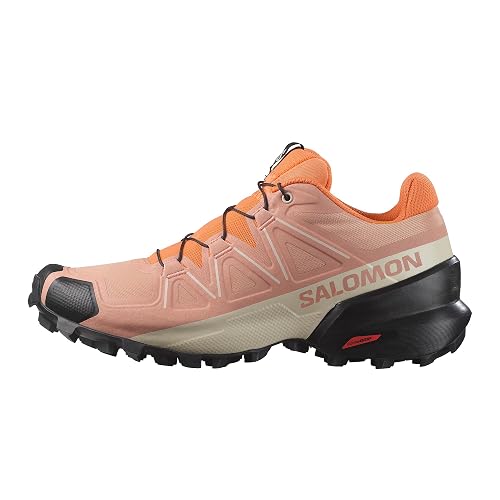
Hoka Stinson 7 trail running shoes are built for runners who want a cushioned, stable ride on mixed terrain without the bulk of a max-stack trail shoe. In this guide, you will learn how the Stinson 7 is typically described in terms of fit, midsole feel, outsole grip, and weight, so you can judge whether it matches the trails you run and the way your feet behave. Because Hoka trail models vary in stack height and lug depth from one generation to the next, you will also learn what to verify on the current specification sheet before you buy.
What the Hoka Stinson 7 Is Designed to Do
The Stinson line sits in Hoka’s trail lineup as a smoother, more versatile option than aggressive mud-and-rock shoes. Manufacturers generally position it for well-groomed trails, gravel roads, mixed singletrack, and daily training runs that include some off-road miles. If your routes are mostly packed dirt with occasional roots, this is the kind of profile you should be looking for. If you run steep, technical descents over loose scree, you may want a shoe with deeper lugs and a firmer outsole, such as the models covered in our Speedcross 6 GORE-TEX Trail Running Shoes: Fit, Traction, and Who Should Buy review.
Shopping for one? See our guide: 5 Best Hoka One One Women's Trail Running Shoes (2026).
Before you compare specifications, decide which kind of running you do most often. A runner logging long weekend miles on dirt roads has different needs from someone doing short, fast laps on rocky singletrack.
Check Your Fit Before You Compare Features
Fit matters more than any single feature on a trail shoe. Hoka’s trail models are often described as having a roomy toebox compared with many competitors, but individual foot shapes vary, and sizing can differ between Hoka lines. Run through these checks when you try on the Stinson 7 or any similar shoe:
- Wear the socks you plan to run in, and try the shoes on late in the day when your feet have swelled slightly.
- Stand with your weight evenly distributed and confirm there is about a thumbnail’s width (roughly 1/2 inch or 1 cm) between your longest toe and the front of the shoe.
- Check heel lock. Your heel should not lift more than a small amount when you walk or jog in place.
- Test the width at the ball of the foot. If the upper pinches or the midfoot feels squeezed, the shoe will likely cause problems on long runs.
- Walk down an incline ramp if the store has one. Your toes should not slam into the front of the shoe.
If you have wide feet, check whether a wide version is offered for the model you are considering. Our guide to Trail Running Shoes Wide: A Practical Guide (2026) covers how to judge width in more detail.
Cushioning and Midsole Feel
Hoka builds its trail shoes around a thick foam midsole, and the Stinson 7 follows that pattern. Manufacturers generally describe the foam as lightweight and responsive, with enough stack height to absorb impact on rocky or uneven ground. Runners who are used to thin, low-profile shoes often notice that a Hoka feels higher off the ground, which can improve comfort on hard surfaces but may reduce the feeling of direct contact with the trail.
How to Judge the Ride
- Jog a few minutes on pavement and then on the trail, noticing whether the heel-to-toe transition feels smooth.
- Pay attention to stability on side slopes. A high stack can feel less planted when you cross camber.
- Note how the shoe feels after 20 to 30 minutes. Foam can feel firm at first and soften with use.
Drop, the height difference between heel and forefoot, is another factor. Many Hoka trail models use a moderate drop, which suits runners who prefer some heel elevation. If you prefer a flatter platform, read our overview of Trail Running Shoes 0 Drop: How to Choose the Right Pair for Trails before deciding.
Outsole Traction on Real Trails
The outsole determines how the shoe grips wet roots, loose dirt, and packed gravel. Manufacturers typically list lug depth and rubber compound in their specifications, and you should check those numbers for the exact model year you plan to buy. In general, shallower lugs grip firm ground and pavement transitions well, while deeper lugs bite into mud and soft soil.
Matching Traction to Terrain
| Terrain | Traction Need | What to Look For |
|---|---|---|
| Packed dirt and gravel roads | Moderate | Shallow to mid-depth lugs, durable rubber |
| Mixed singletrack with roots | Moderate to high | Multidirectional lugs, reliable grip on wet wood |
| Mud and loose scree | High | Deep, widely spaced lugs, aggressive pattern |
| Wet rock and slickrock | High | Sticky compound, sipes or lug pattern that channels water |
If most of your running is in the first two rows, the Stinson 7’s profile is likely a good match. Runners who train in mud or steep, loose descents may find better security in a more aggressive model.
Weight, Breathability, and Upper Construction
Trail shoes often carry more material than road shoes, so weight is worth checking on the spec sheet. Hoka typically lists weight per shoe in men’s and women’s sizes, and those figures vary by size and version. Compare the listed weight with other shoes you have worn, keeping in mind that a few ounces matter more over long distances than in a short run.
Upper breathability depends on the mesh and overlay design. Breathable mesh helps on hot days and sheds moisture, while more structured overlays add durability and support on rough ground. Look for a rand or toe bumper if you tend to clip rocks and roots. Check whether the model you are buying is offered in a water-resistant variant if you run in wet climates.
Who Should Consider the Hoka Stinson 7
Based on the general positioning Hoka uses for this line, the Stinson 7 tends to suit:
- Runners who want cushioning for long efforts on mixed, mostly moderate terrain.
- Road runners who occasionally venture onto trails and want one shoe for both.
- Runners who prefer a roomy toebox and a stable, planted feel.
It may be less suitable for runners who want a very low-to-the-ground feel, extremely aggressive lugs for mud, or the lightest possible race-day shoe. For those needs, compare the Stinson with options such as the Hoka Speedgoat 6 Trail Running Shoes: Fit, Features, and Who Should Buy and the Salomon Pulsar Trail Running Shoes: Fit, Traction, and Who Should Buy (2026).
Common Mistakes When Buying Trail Shoes
- Buying by road size alone. Trail shoes can fit differently. Always try them on.
- Ignoring terrain. A cushioned shoe with shallow lugs may slip on wet roots, while an aggressive lug pattern can feel harsh on pavement.
- Skipping the break-in. Run a few short trail sessions before committing to long races.
- Assuming last year’s fit still applies. Upper materials and lasts change between model years, so recheck the current version.
- Overlooking socks. Thick socks can make a snug shoe feel tight. Test with the socks you actually run in.
Recommended gear
A few supporting items can make the Stinson 7 more comfortable on the trail.
- Trail running socks with cushioning: Padding under the ball of the foot and along the heel can reduce friction on long descents. View on Amazon
- Lace locks: Helpful if you want a secure midfoot without retying your laces mid-run. View on Amazon
- Gaiters: They keep debris out of the shoe on dusty or muddy trails. View on Amazon
Tips for Getting the Most from Your Stinson 7
- Rotate with a second pair of trail shoes if you run most days, which gives foam time to recover.
- Clean mud off the outsole after runs to keep lugs working as intended.
- Replace shoes based on mileage guidance from your coach or the manufacturer, and watch for worn lugs or compressed midsole foam.
- If you have foot pain, joint issues, or a history of injury, consult a podiatrist or sports medicine professional before changing shoe type.
FAQ
Are Hoka Stinson 7 trail running shoes good for beginners?
They can be a reasonable choice for beginners on moderate trails because of their cushioning and stable platform. Beginners should still focus on fit and gradually build trail mileage.
Do the Stinson 7 shoes run true to size?
Many runners find Hoka sizing close to their road size, but fit varies. Try the shoe on with your running socks and check the toebox space before buying.
Are they suitable for wet trails?
Traction on wet roots and rock depends on the outsole compound and lug pattern for the specific version. Check the current spec sheet and consider a water-resistant option if you run in wet conditions often.
Can I use the Stinson 7 for road running?
Many runners use trail shoes for mixed routes that include pavement. Expect more lug feel on hard surfaces than a road shoe provides.
How long do trail running shoes usually last?
Mileage varies with terrain, body weight, and running style. Many runners monitor wear on the outsole and midsole and replace shoes when cushioning feels flat or lugs are worn down.
Is a wide version available?
Availability depends on the model year and region. Check the manufacturer’s current sizing options before purchase.
Should I consult a professional before buying trail shoes?
If you have chronic foot, ankle, knee, or hip pain, consult a podiatrist, physical therapist, or sports medicine clinician for personalized advice.
Conclusion
The Hoka Stinson 7 trail running shoes suit runners who want cushioned, stable support on moderate trails and mixed routes. Check fit with your running socks, compare the outsole against the terrain you run most, and confirm the current specifications before buying. If your trails are steep, muddy, or highly technical, compare it with a more aggressive model before deciding.
Related reading
- Trail Running Shoes Hoka One One: 6 Things to Check Before You Buy
- Hoka Challenger 8 Trail Running Shoes: Fit, Traction, and Who Should Buy
- 6 Best Men's Hoka Trail Running Shoes: Top Picks Compared (2026)
Ready to choose one?
About Caleb Morgan
Caleb Morgan is part of our editorial team and reviews and edits our running gear & races guides, checking product details against manufacturer specifications and owner feedback.