By Caleb Morgan
Updated November 2026
Choosing winter running trail shoes is mostly about staying grip-sure and dry-footed when the trail turns to slush, frozen mud and packed snow. This list compares six pairs that cover different needs, from waterproof all-weather builds to lightweight shoes for mild winter days. Selection was based on published specifications, brand reputation for cold-weather footwear, and patterns that owners commonly report, such as traction on ice, warmth, and fit with thicker socks. We did not test these shoes ourselves, so check the specs against your own routes and foot shape.
Our top picks at a glance
- 1
 TOP CHOICEBest overallALTRA Men's Lone Peak 9 Trail Running ShoeView on Amazon
- 2
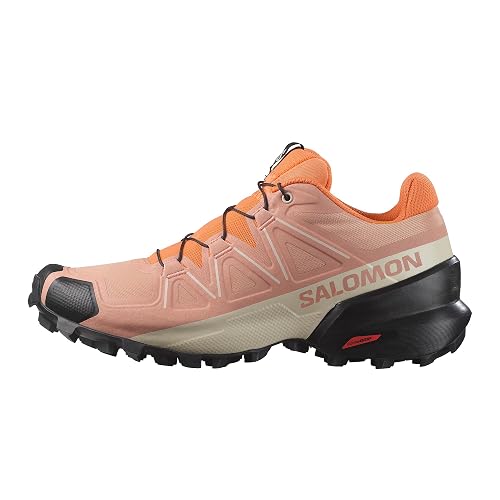
 TOP CHOICEBest for icy and wet terrainSalomon Men's XA PRO 3D Gore-Tex Waterproof Trail Running ShoesView on Amazon
- 3
 TOP CHOICEBest for cold, snowy routesadidas Men's Terrex Anylander Hiking ShoesView on Amazon
- 4
 Best for wide feetALTRA Men's Experience Wild 2 Trail Running ShoeView on Amazon
- 5
 Best budget pickNew Balance Men's Dynasoft Tektrel V1 Suede Trail Running ShoesView on Amazon
- 6
 Best for women's winter trainingBrooks Women's Ghost Trail Running ShoeView on Amazon
Our Top Picks
Quick Comparison
| Product | Best for | Key feature |
|---|---|---|
| ALTRA Men’s Lone Peak 9 Trail Running Shoe | All-round winter trail running | Zero-drop platform with a protective rock plate |
| Salomon Men’s XA PRO 3D Gore-Tex Waterproof Trail Running Shoes | Icy and wet terrain | Waterproof membrane and aggressive lugs |
| adidas Men’s Terrex Anylander Hiking Shoes | Cold, snowy routes | Hiking-style upper for cold, rough ground |
| ALTRA Men’s Experience Wild 2 Trail Running Shoe | Wide feet | Roomy toe box and zero-drop fit |
| New Balance Men’s Dynasoft Tektrel V1 Suede Trail Running Shoes | Budget-conscious runners | Suede upper for weather resistance and comfort |
| Brooks Women’s Ghost Trail Running Shoe | Women’s winter training | Cushioned ride with a secure fit |
ALTRA Men’s Lone Peak 9 Trail Running Shoe
ALTRA Men's Lone Peak 9 Trail Running Shoe
Best for: All-round winter trail running
This is a versatile option for runners who face a mix of frozen dirt, slush and packed snow on the same route. Its wide, foot-shaped toe box suits runners who want room for thicker winter socks.
Key specs
- Zero-drop (0 mm) heel-to-toe platform
- Rock plate for underfoot protection on rough ground
- Lugged outsole designed for trail traction
Pros
- Roomy toe box accommodates thicker socks and swelling
- Rock plate adds protection on frozen, uneven footing
- Well suited to longer winter trail runs
Cons
- Zero-drop feel takes time to adapt to, especially on icy descents
- Not waterproof, so wet snow can soak through
Bottom line: A strong choice for runners who want one shoe for varied winter trails and who are comfortable with a zero-drop feel.
Salomon Men’s XA PRO 3D Gore-Tex Waterproof Trail Running Shoes
Salomon Men’s XA PRO 3D Gore-Tex Waterproof Trail Running Shoes
Best for: Icy and wet terrain
Runners who regularly splash through slush, stream crossings or melting snow will benefit most from the waterproof membrane. The aggressive lugs help on loose, wet surfaces.
Key specs
- Gore-Tex waterproof membrane
- Aggressive multidirectional lug outsole
- Designed for technical trail terrain
Pros
- Waterproof construction keeps feet dry in slush and wet snow
- Lugs grip well on mud and loose ground
- Secure, locked-in feel on uneven terrain
Cons
- Waterproof uppers can run warm in mild conditions and trap sweat on long efforts
- Heavier than lightweight trail shoes
Bottom line: The pick for runners who prioritize dry feet and grip on wet, icy trails over light weight.
adidas Men’s Terrex Anylander Hiking Shoes
adidas Men's Terrex Anylander Hiking Shoes
Best for: Cold, snowy routes
This hiking-style shoe suits runners who cover rougher, colder ground and sometimes switch between running and fast hiking. Its structure offers more support than a minimal trail shoe.
Key specs
- Hiking-oriented construction for rough terrain
- Built for outdoor use in cold conditions
Pros
- Supportive build for uneven, snowy ground
- Works for running and hiking in one pair
- Durable feel suited to harsh weather
Cons
- Heavier and stiffer than dedicated trail running shoes
- May feel clunky for fast, technical running
Bottom line: Best for runners whose winter routes are more hike-like and who want stability over agility.
ALTRA Men’s Experience Wild 2 Trail Running Shoe
ALTRA Men's Experience Wild 2 Trail Running Shoe
Best for: Wide feet
Runners with broader forefoot or those who need extra room for winter socks and orthotics will find the fit more accommodating than many narrower trail shoes.
Key specs
- Zero-drop platform
- Wide, foot-shaped toe box
- Trail-focused outsole for off-road grip
Pros
- Generous toe box suits wide and swollen feet
- Natural foot position supports a relaxed stride
- Good room for layered winter socks
Cons
- Zero-drop geometry requires a gradual transition
- Limited protection on very sharp or icy rock
Bottom line: A good fit for runners who need width first and want a natural-feeling trail shoe for winter miles.
New Balance Men’s Dynasoft Tektrel V1 Suede Trail Running Shoes
New Balance Men's Dynasoft Tektrel V1 Suede Trail Running Shoes
Best for: Budget-conscious runners
Runners who want a capable, weather-resistant trail shoe without premium pricing will find this suede-upper model a practical option for cold, dry or lightly wet days.
Key specs
- Suede upper for weather resistance and warmth
- Trail-oriented outsole for general winter grip
Pros
- Suede upper handles cold, light moisture well
- Good value for runners new to winter trail running
- Comfortable everyday fit
Cons
- Suede can soak up water in deep slush
- Less aggressive traction than specialist winter trail shoes
Bottom line: A sensible entry point for runners who mostly train in cold but not fully wet or icy conditions.
Brooks Women’s Ghost Trail Running Shoe
Brooks Women's Ghost Trail Running Shoe
Best for: Women’s winter training
Women who want a cushioned, dependable ride for winter trail training will appreciate the fit-focused design of this model, which is well suited to varied terrain and longer sessions.
Key specs
- Cushioned midsole for comfort on longer runs
- Women’s-specific fit and last
Pros
- Cushioning helps on hard, frozen ground
- Women’s-specific fit reduces heel slip
- Versatile for training across seasons
Cons
- Not designed as a dedicated waterproof or ice-grip shoe
- Cushioned ride may feel soft on very technical trails
Bottom line: A strong pick for women who want comfort and a secure fit for winter training on mixed trails.
Buying Guide
Waterproofing vs. breathability
Waterproof membranes keep out slush and wet snow, but they also slow moisture escape during hard efforts. For mild, dry winter days, a breathable mesh or suede upper can keep feet more comfortable. Many runners pick waterproof shoes for the coldest, wettest months and breathable pairs for the rest.
Good picks for this: Salomon Men’s XA PRO 3D Gore-Tex Waterproof Trail Running Shoes, New Balance Men’s Dynasoft Tektrel V1 Suede Trail Running Shoes
Outsole traction and lug depth
Deeper, multidirectional lugs bite into mud, loose snow and packed ice better than shallow tread. Check that the lugs are spaced widely enough to shed snow and slush rather than packing with it.
Good picks for this: Salomon Men’s XA PRO 3D Gore-Tex Waterproof Trail Running Shoes, adidas Men’s Terrex Anylander Hiking Shoes
Fit and toe box room
Winter socks and occasional extra layers mean you need more room than you would in summer. Try shoes on with the socks you plan to run in, and check that your toes have space at the front without the heel lifting.
Good picks for this: ALTRA Men’s Experience Wild 2 Trail Running Shoe, ALTRA Men’s Lone Peak 9 Trail Running Shoe
Heel drop and platform
Zero-drop shoes place the heel and forefoot at the same height, which suits runners transitioning to a natural stride. Higher-drop shoes may feel more familiar, especially on descents. If you are switching drop, add mileage gradually, since calf and Achilles stress can increase.
Good picks for this: ALTRA Men’s Lone Peak 9 Trail Running Shoe, Brooks Women’s Ghost Trail Running Shoe
Protection from rock and frozen ground
A rock plate or firmer midfoot shields the sole from sharp, frozen objects. Runners on rocky or icy trails benefit most. Less protection can feel more responsive but may leave feet more exposed on uneven terrain.
Good picks for this: ALTRA Men’s Lone Peak 9 Trail Running Shoe, adidas Men’s Terrex Anylander Hiking Shoes
Weight and intended use
Heavier, supportive shoes suit hiking-style running and rough, snowy ground. Lighter shoes suit faster efforts on groomed trails. Match the shoe to how you actually run, not to how you wish you ran.
Good picks for this: adidas Men’s Terrex Anylander Hiking Shoes, New Balance Men’s Dynasoft Tektrel V1 Suede Trail Running Shoes
Durability and care
Road salt, grit and repeated wet-dry cycles can wear out uppers and midsoles faster than summer use. Rinse shoes after salty runs, let them air dry away from direct heat, and stuff them with newspaper to hold their shape. Avoid placing them near radiators, since heat can distort adhesives and materials.
Good picks for this: Salomon Men’s XA PRO 3D Gore-Tex Waterproof Trail Running Shoes, Brooks Women’s Ghost Trail Running Shoe
FAQ
Are winter running trail shoes always waterproof?
No. Some are, but many are breathable by design. Waterproof shoes keep feet drier in slush and snow, while breathable shoes handle milder conditions better and dry faster.
Do I need Gore-Tex for winter trail running?
Not always. Gore-Tex and similar membranes help in wet, slushy conditions. If you mostly run on dry, frozen ground, a breathable shoe may be more comfortable.
Should I size up for winter trail shoes?
Often a half size up gives room for thicker socks, but this depends on the model and your foot shape. Test the fit with your winter socks on, and check that your heel stays secure.
Are zero-drop shoes good for winter trails?
They can be, but transitioning slowly is important. Zero-drop shoes change load on the calves and Achilles, so increase mileage gradually, especially on cold, stiff muscles.
How do I keep trail shoes from getting ruined by road salt?
Rinse them with fresh water after salty runs, dry them at room temperature, and avoid direct heat sources. Regular cleaning slows material breakdown.
Is it safe to run on icy trails?
Icy conditions carry injury risk. Slow your pace, shorten your stride, and choose shoes with strong lugs. If you have a medical condition or an injury history, consult a healthcare professional before increasing winter training.
Conclusion
For all-round winter trail running, the ALTRA Men’s Lone Peak 9 Trail Running Shoe offers a flexible balance of room, protection and grip. Runners who face icy, wet trails should look first at the Salomon Men’s XA PRO 3D Gore-Tex Waterproof Trail Running Shoes. Those with wide feet will find the ALTRA Men’s Experience Wild 2 Trail Running Shoe more accommodating, while the adidas Men’s Terrex Anylander Hiking Shoes suit hike-like winter routes. The New Balance Men’s Dynasoft Tektrel V1 Suede Trail Running Shoes make sense for budget-minded runners on mostly dry cold days, and the Brooks Women’s Ghost Trail Running Shoe serves women who want cushioned comfort for winter training. Match the shoe to your terrain, your fit and your typical weather, then test it with your winter socks before committing to long runs.
Sources
- Guidance on cold-weather exposure, hypothermia and frostbite risks for outdoor activity (cdc.gov)
- Research summaries on running injuries and footwear-related biomechanics (nih.gov)
- Consumer safety information on winter outdoor activity and traction hazards (cpsc.gov)
Related reading
- Trail Running Shoes Zero Drop: 7 Things to Know Before You Buy
- Trail Running Shoes Wide: A Practical Guide (2026)
- Trail Running Shoes Hoka One One: 6 Things to Check Before You Buy
- Top 7 Minimal Trail Running Shoes for Natural Feel on Dirt Paths
About Caleb Morgan
Caleb Morgan is part of our editorial team and reviews and edits our running gear & races guides, checking product details against manufacturer specifications and owner feedback.