By Caleb Morgan
Updated November 2026
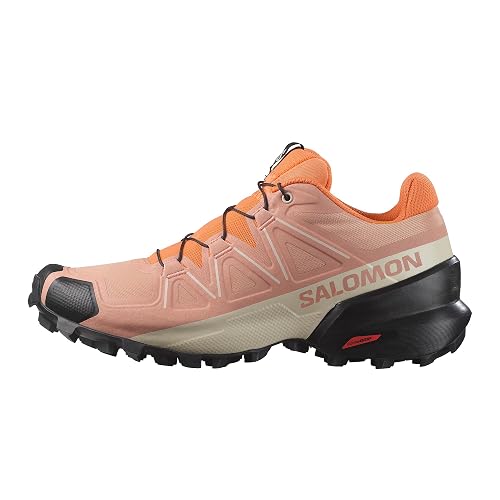
La Sportiva Bushido III trail running shoes are a firm, low-profile option built for runners who want precise footing on technical terrain and a snug, race-ready fit. This guide walks through what the shoe is designed to do, how to check its fit, how the outsole and protection compare to other trail options, and how to decide whether it suits your running. By the end, you should know whether the Bushido III belongs on your shortlist and what to verify before ordering.
What the La Sportiva Bushido III Is Designed For
The Bushido line has long been associated with fast, technical trail running. The third generation of the model keeps that focus: a relatively low stack height, a close-contact upper, and an outsole pattern meant to bite into loose or rocky ground. Manufacturers generally position this type of shoe for runners who prioritize ground feel and responsiveness over cushioning for very long, runnable distances.
Shopping for one? See our guide: 7 Best Running Shoes for Trail Running: Our Picks Compared.
That positioning matters before you look at any specs. A shoe built for quick, agile movement on rough trails will feel different from a plush daily trainer, and that difference is intentional. If your training is mostly smooth, flat paths or long, slow runs on soft surfaces, the firmer ride may feel less comfortable than you expect.
Who the shoe is typically built for
- Runners who race or train on technical singletrack with roots, rocks, and loose gravel.
- People who prefer a lower stack and a more direct connection to the trail.
- Runners with a relatively narrow to average foot who want a locked-in heel and midfoot.
- Those who already own a cushioned trail shoe and want a second pair for faster, more demanding sessions.
Step 1: Check the Fit Before You Commit
Fit is where most buyers either succeed or end up returning a pair. Because the Bushido III uses a more secure, performance-oriented last, many runners find it fits closer than a typical trainer. That can be a strength on descents, but it becomes a problem if the toebox is too tight for your foot’s natural swell during a run.
Measure your feet the right way
- Measure both feet in the late afternoon or evening, when they are most swollen.
- Stand on a sheet of paper against a wall and mark the longest toe and the heel.
- Measure the length and the ball width (across the widest part of the forefoot).
- Compare your measurements to the brand’s size chart, not to your usual size in other brands.
- If your feet differ, fit to the larger foot.
What a good fit feels like
- About a thumb’s width (roughly 10 to 13 mm) of space between the longest toe and the front of the shoe while standing.
- No pressure on the sides of the forefoot or the top of the foot when laced.
- A heel that stays put when you walk briskly or step down a slope, without slipping.
- Toes that can splay slightly when you stand, without touching the upper.
Step 2: Evaluate the Outsole and Traction
The outsole is the feature most people buy this shoe for. La Sportiva uses its own rubber compounds and lug patterns across its trail range, and the Bushido family is known for lugs that grip loose dirt and small rock. Traction on wet rock, mud, and wet roots depends heavily on the compound’s stickiness and the spacing of the lugs, so the shoe will perform differently across conditions.
Match the lug depth to your terrain
| Terrain | What to look for | Fit with Bushido III |
|---|---|---|
| Dry, packed singletrack | Moderate lugs, low weight | Good match |
| Loose gravel and scree | Deeper, well-spaced lugs | Strong match |
| Wet roots and rock | Sticky rubber, edge bite | Good, depends on conditions |
| Deep mud | Aggressive lugs, self-cleaning spacing | Limited; consider a deeper lug shoe |
| Snow and ice | Studs or dedicated winter outsole | Not designed for this |
If your routes are mostly deep mud or snow, a shoe with more aggressive lugs or a winter-specific outsole will serve you better. For a broader comparison of winter-oriented options, see Winter Running Trail Shoes: 6 Best Picks for Cold, Wet Trails (2026).
Step 3: Assess Protection and Stack Height
Protection means how much the shoe shields your feet from sharp rock, roots, and impact. Stack height is the thickness of material between your foot and the ground. The Bushido III sits at a lower stack than many cushioned trail models, which lets you feel more of the surface but requires more attention on rough ground.
Runners new to low-stack shoes often notice more foot fatigue and calf loading in the first few weeks. Build up gradually, starting with shorter runs on trails you know well.
- Run 20 to 30 minutes on your first outing, then add time over several weeks.
- Pay attention to calf soreness, arch fatigue, and any forefoot discomfort.
- Keep a cushioned pair in rotation so you are not relying on one shoe for every session.
For a wider look at how drop and stack affect comfort, the article Trail Running Shoes 0 Drop: How to Choose the Right Pair for Trails explains the trade-offs in detail.
Step 4: Compare the Bushido III to Similar Trail Shoes
Choosing a trail shoe is easier when you compare it to alternatives with a similar purpose. The Bushido III competes with other firm, technical trail models from several brands. Look at how each one handles lockdown, outsole grip, and stack height rather than focusing only on the name.
- Compare the heel lockdown and whether the upper feels secure without tightening the laces hard.
- Check whether the stack height matches the protection level you want.
- Consider whether you need a wider toebox, since many technical shoes run narrower.
Other options worth reviewing include the Salomon Speedcross 6 GORE-TEX Trail Running Shoes Review: Who Is It For? for muddy conditions and the Altra Zero Drop Trail Running Shoes: 7 Things to Check Before You Buy if you prefer a wider, zero-drop platform.
Common Mistakes When Buying the Bushido III
- Sizing by habit. Your size in another brand may not translate. Always check the brand’s chart and, if possible, try the shoe on in the afternoon.
- Ignoring the toebox on descents. A snug forefoot can cause bruised toenails on long downhills. Leave adequate room.
- Using it for every run. A firm, low-stack shoe is best as a specialized tool, not a replacement for every training session.
- Skipping a break-in period. Even with a good fit, your feet and calves need time to adapt.
- Expecting winter performance. Standard lugs will not handle ice or packed snow well.
Tips for Getting the Most From the Shoe
- Lace with a heel lock if you have heel slippage, using the top eyelet to secure the back of the foot.
- Rotate with a cushioned trail shoe to reduce overuse of the same muscles.
- Rinse mud off after runs and let the shoes air dry away from direct heat to protect the upper and midsole.
- Track mileage in a log and retire shoes when the outsole lugs wear smooth or the midsole feels flat.
- Check your running form on steep descents; shorter, quicker steps reduce the load on the forefoot.
Recommended gear
These items pair well with a firm trail shoe like the Bushido III and address common needs on technical routes.
- Gaiters keep grit and small debris out of the upper on loose, dusty trails. View on Amazon
- Trail running socks with light cushioning help manage friction and moisture, which matters more in a snug, low-profile shoe. View on Amazon
- Lace locks help secure the fit without retying mid-run, useful on rough terrain. View on Amazon
FAQ
Is the La Sportiva Bushido III good for beginners?
It can work for beginners who already run regularly on trails and want a firmer, more responsive shoe. Brand-new trail runners often do better with a more cushioned model while they build strength and technique.
Does the Bushido III run true to size?
Fit varies by foot shape and by individual. Many runners find the shoe fits closer than a typical trainer, so measuring your feet and checking the brand’s size chart is the most reliable approach.
How does the Bushido III handle wet rock?
Grip on wet rock depends on the rubber compound and lug pattern. Owners often report good edge bite on damp surfaces, but very slick, algae-covered rock can challenge any trail shoe, so reduce speed on those sections.
Can I use the Bushido III for road running?
It is designed for trails. Running on pavement for short distances is generally fine, but the aggressive lugs and firm ride are not ideal for regular road mileage. See Road vs Trail Running Shoes for a clearer comparison.
How long do trail running shoes like this last?
Lifespan depends on terrain, body weight, and running frequency. Many runners replace trail shoes after a few hundred miles, or sooner when the outsole smooths out or the midsole feels flat. Check the wear pattern regularly.
Is the Bushido III suitable for wide feet?
Many technical trail shoes run narrower than standard trainers. If you have a wide forefoot, check the width measurement and consider whether the shoe will feel too constricting on long runs. For wider-fit options, review Trail Running Shoes Wide: A Practical Guide (2026).
Should I size up for a trail shoe?
Some runners size up by a half to a full size to allow for foot swelling and downhill toe pressure. Test the fit with a thumb’s width of space at the toe while standing, and avoid sizing up so far that the heel slips.
Conclusion
The La Sportiva Bushido III trail running shoes suit runners who want a firm, responsive, low-stack shoe for technical terrain. Get the fit right by measuring your feet and checking the toebox, then match the outsole to the conditions you actually run in. Build up gradually, rotate with a cushioned pair, and consult a qualified professional, such as a sports medicine clinician or fit specialist, if you have ongoing foot or joint pain.
Ready to choose one?
About Caleb Morgan
Caleb Morgan is part of our editorial team and reviews and edits our running gear & races guides, checking product details against manufacturer specifications and owner feedback.