 By Caleb Morgan
Updated November 2026
The Salomon Men’s Speedcross 6 trail running shoes are built for runners who spend their time on loose, muddy, and technical terrain. They suit people who want a secure, locked-down fit, aggressive lugs for grip on soft ground, and a shoe that handles rough trails well. They are a poor choice for runners who prefer a highly cushioned road-like ride, anyone with a very wide forefoot who needs extra room, or those who mainly run paved routes and want a lighter, more flexible shoe. Think of this as a specialist trail shoe rather than an all-purpose daily trainer.

Salomon Men’s Speedcross Trail Running Shoes
Product Overview
The Speedcross line has been a staple of Salomon’s trail lineup for years, and the sixth iteration keeps the core formula: a deep, widely spaced lug pattern designed to bite into mud, sand, and loose gravel, paired with a snug, performance-oriented upper. The Speedcross 6 is aimed at runners tackling off-road routes, including muddy singletrack, wet forest paths, and steep climbs where traction matters more than a plush ride.
Salomon positions the shoe as a versatile option for technical trail running and fast hiking on rough ground. Its profile is noticeably more aggressive than the company’s lighter, more road-adjacent trail models, and that tradeoff shapes almost everything about how it feels on the run. If you are looking for a shoe that stays out of the way on smooth trails and only shows its value when conditions get sloppy, this is a good match. If you want a cushioned, everyday trainer, you may find the lugs and firm underfoot feel more than you need.
Because the Speedcross has a long history, you will find a wide range of user experiences in owner feedback. Many runners praise the way the shoe locks the heel and midfoot in place. Others note that the fit runs narrow and the ride feels firm compared with softer trail shoes. Reviewing the shoe with those patterns in mind gives a more accurate picture than relying on any single opinion.
Key Features & Specifications
The table below lists the characteristics that are consistent with the Speedcross line and the product name. Exact figures such as weight, drop, and stack height can vary by size and by manufacturer updates, so check the official product listing for the current numbers before you buy.
| Feature | Details |
|---|---|
| Product type | Men’s trail running shoe |
| Intended terrain | Muddy, loose, wet, and technical off-road trails |
| Outsole | Deep, widely spaced aggressive lugs for grip in soft ground |
| Upper | Engineered mesh with structured overlays for a secure fit |
| Lacing system | Traditional laces with a locking-oriented, performance fit |
| Fit profile | Snug, locked-down fit; generally considered narrow to standard |
| Cushioning | Firm-to-moderate underfoot feel, not a highly cushioned platform |
| Best use | Trail running, fast hiking, technical climbs and descents |
Pros & Cons
Pros
- Aggressive lugs grip well in mud, wet roots, and loose gravel.
- Snug, locked-down fit helps prevent heel slip and foot movement on descents.
- Stable platform suits technical terrain and uneven footing.
- Responsive, direct feel that many trail runners prefer on rough surfaces.
- Well-established model line with a broad base of runners familiar with its fit.
Cons
- Firmer ride than cushioned trail shoes, which can feel harsh on long runs.
- Narrow-leaning fit may not suit runners with wide forefeet.
- Aggressive lugs can feel excessive on hard-packed or paved sections.
- Heavier and more substantial than lightweight racing trail shoes.
- Not an ideal choice for road-heavy training routes.
Performance Analysis
On the trail, the most important factor with the Speedcross is traction. The deep lugs are spaced to shed mud and bite into soft ground, and owners of this shoe line frequently mention confidence on wet, slick, or loose surfaces. On climbs, the grip helps you push off without the foot sliding backward. On descents, the lugs and the locked-down fit work together to keep your foot from sliding forward inside the shoe, which reduces toe jamming on steep grades.
The ride is firmer than many trail shoes. That firmness gives a responsive, connected feel and lets you feel the ground, which many technical runners value. The tradeoff is less shock absorption. Runners who log high mileage on hard surfaces or who are sensitive to impact may find the shoe fatiguing over longer distances. Pairing it with a cushioned shoe for road-heavy days is a practical approach for those runners.
Fit deserves careful attention. The snug, performance-oriented upper is one of the main reasons owners stick with the Speedcross, because it holds the foot securely without much internal movement. However, runners with broad forefeet or high volume often report pressure across the toe box, especially on longer efforts when feet swell. If your foot is wide, try the shoe on in the afternoon, when feet are slightly larger, and wear the socks you plan to run in.
Durability is generally well regarded for trail use, though the outsole lugs will wear faster on abrasive rock than on softer dirt. Rotating shoes and cleaning out mud and grit after wet runs helps extend the life of both the lugs and the upper materials.
Who Should Buy This Product?
This shoe is a strong fit for runners who regularly tackle muddy, loose, or technical trails and want reliable grip and a secure, locked-down feel. It suits runners with standard to narrow feet, those who prefer a firm, responsive ride, and anyone who hikes fast or races on rugged off-road courses.
You should probably skip the Speedcross 6 if most of your running happens on pavement or smooth gravel, if you want a soft, highly cushioned ride, or if you have a wide forefoot that tends to feel cramped in performance shoes. Beginners on mostly flat, groomed trails may also find a more forgiving, moderately cushioned trail shoe easier to live with.
Buying Guide
Before you buy any trail shoe, it helps to think through terrain, fit, and ride preference. Start by considering where you run most often. If your routes are wet, muddy, or rooty, an aggressive lug pattern like the Speedcross is a sound choice. If your trails are mostly dry and hard-packed, a shallower lug may feel more comfortable and be more versatile.
Next, focus on fit. Measure your feet at the end of the day, when they are at their largest, and compare your measurements with the manufacturer’s size guide. Leave roughly a thumb’s width between your longest toe and the front of the shoe for downhill running. Because the Speedcross fits snugly, consider whether you want a locked-down feel or more room in the toe box. Runners who need more space may prefer a shoe with a roomier last.
Consider ride and cushioning as well. A firm, responsive shoe gives a good ground feel but less protection. A moderately cushioned shoe can be easier on the legs over long distances. Match the shoe to your typical run length and your sensitivity to impact.
If you want to compare alternatives, two well-known options from Salomon are worth a look, depending on how you plan to use them. The Salomon Men’s XA Pro 3D Ultra GTX is a trail-oriented option that suits runners wanting a more structured, all-terrain shoe with a waterproof build for wet conditions.

Salomon Men's XA Pro 3D Ultra GTX Trail Running Shoe
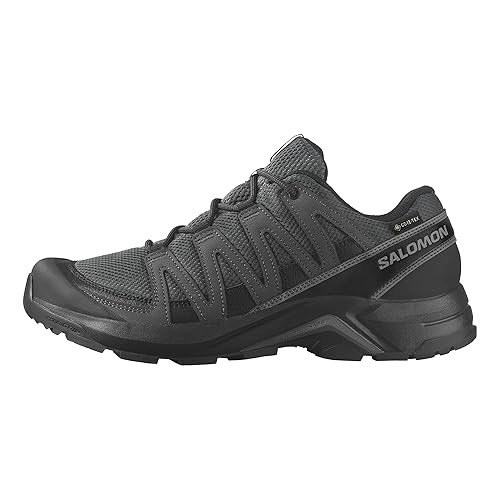
For runners who want a shoe that leans more toward hiking and rugged approach terrain, the Salomon Men’s X-Adventure Recon Gore-TEX Waterproof Hiking Shoe is a different category entirely, with a heavier build and a focus on weather protection rather than fast running.
Salomon Men's X-Adventure Recon Gore-TEX Waterproof Hiking Shoes
If you are still weighing options, our guide to 5 Best Salomon Men's Trail Running Shoes for Every Trail (2026) compares several Salomon models side by side. You can also read Salomon Speedcross 6 Trail Running Shoes Review: Is It Worth It? for another perspective on this model, and Men's Trail Running Shoes Wide: How to Find a Pair That Fits Your Feet if fit is your main concern.
FAQ
Are the Salomon Speedcross 6 good for road running?
They can handle short road sections, but they are built for trails. The aggressive lugs and firm ride are less comfortable on pavement, so most runners reserve them for off-road routes.
Do the Speedcross 6 run true to size?
Owners commonly describe a snug fit that runs narrow to standard. Many runners go with their usual size, but if you have wide feet or want extra toe room, consider sizing up or checking the manufacturer’s size guide.
Are the Speedcross 6 good for wet and muddy trails?
Yes. The deep, widely spaced lugs are designed to grip in mud and loose wet ground, which is one of the main reasons runners choose this model.
Are the Speedcross 6 suitable for beginners?
They can work for beginners who run mostly technical or muddy trails and want a secure fit. Beginners on mostly smooth, flat trails may find a more cushioned, moderate-lug shoe more comfortable.
How long do trail running shoes like the Speedcross last?
Lifespan depends on terrain, mileage, and body weight. Lugs wear faster on abrasive rock than on dirt. Many runners replace trail shoes once the outsole tread is noticeably worn or the cushioning feels flat, rather than after a fixed number of miles.
Do the Speedcross 6 work for hiking?
They are suitable for fast hiking on rough terrain. For heavy backpacking or long, slow hikes, a dedicated hiking boot or shoe with more structure and protection may be a better choice.
Should I replace my insoles with the Speedcross 6?
Many runners keep the stock insole. If you have specific arch or support needs, consider consulting a podiatrist or a qualified running specialist before changing your footwear setup.
Final Verdict
The Salomon Men’s Speedcross 6 trail running shoes are a focused, performance-minded choice for runners who spend their time on muddy, loose, and technical terrain. Their aggressive grip and secure fit are their biggest strengths, and they reward runners who value traction and stability above all else. The firm ride and narrow-leaning fit are the main limitations, so check your foot shape and typical terrain before committing.
If your running is mostly rugged trail and you want a locked-down feel, this shoe deserves serious consideration. If you need cushioning for high-mileage road-heavy training or a roomy toe box, look at more moderately cushioned trail models instead.
About Caleb Morgan
Caleb Morgan is part of our editorial team and reviews and edits our running gear & races guides, checking product details against manufacturer specifications and owner feedback.