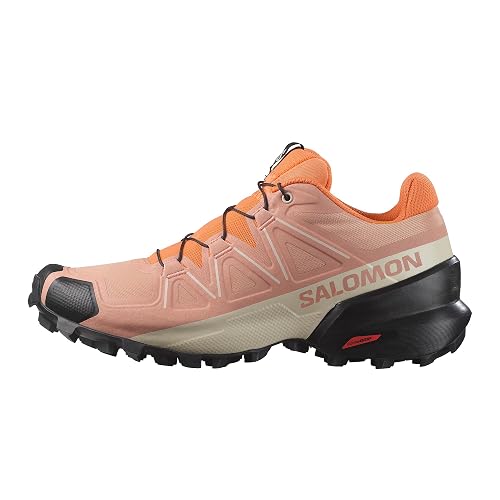
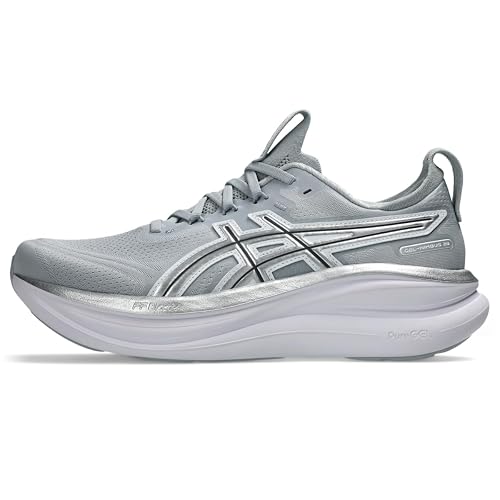
By Caleb Morgan
Updated November 2026
The difference between trail running shoes and running shoes comes down to where you run. Trail running shoes use deeper, more aggressive lugs, firmer uppers and added protection for rocks, roots and mud, which makes them the better pick for dirt paths, technical singletrack and wet forest floors. Road running shoes are lighter, smoother and built for pavement, track and mixed city routes, so they suit most people who spend the majority of their miles on hard, even surfaces. If you run mostly on sidewalks, the road shoe wins. If more than a quarter of your weekly mileage is off-pavement, a trail shoe is worth considering.
| Criterion | Trail running shoes | Road running shoes |
|---|---|---|
| Outsole lugs | Deep, multidirectional lugs (often 3–6 mm) | Shallow or flat tread, usually under 2 mm |
| Grip on dirt, mud and wet rock | Strong | Limited |
| Grip on pavement | Adequate, but can feel stiff or noisy | Smooth and predictable |
| Upper material | Reinforced, often water-resistant or quick-drain mesh | Lightweight, breathable knit or mesh |
| Foot protection | Rock plate or stiffer midsole, toe bumper | Minimal protection underfoot |
| Weight | Typically heavier | Typically lighter |
| Cushioning feel | Firm to moderate, built for stability on uneven ground | Moderate to plush, built for smooth impact |
| Best terrain | Dirt, gravel, roots, rock, mud | Pavement, track, treadmill, groomed paths |
Outsole and Traction: Trail Shoes Win
The outsole is the clearest dividing line. Trail running shoes use lugs, the raised rubber blocks on the bottom, that bite into soft soil and grip loose gravel. Many models use a sticky rubber compound in the forefoot and a more durable compound at the heel. Road shoes use a flatter, grooved tread that is designed to flex smoothly and wear evenly on concrete and asphalt. On dry dirt, a road shoe can feel fine. On wet rock, slick roots or muddy switchbacks, it can slide out from under you.
For a closer look at how lug depth and pattern affect grip, the site’s guide Trail Running Shoes for Gravel: 6 Factors to Check Before You Buy (2026) explains what to look for on loose surfaces. Winner for traction on natural terrain: trail running shoes. Winner for traction on pavement: road running shoes, since their flatter tread keeps contact area high.
Cushioning and Ride Feel: Road Shoes Win for Smooth Surfaces
Road running shoes are usually built with a midsole designed to absorb repetitive impact on hard ground. Many owners describe the ride as smooth and rolling, which suits long road runs and tempo sessions. Trail shoes generally pair a firmer or more supportive midsole with a lower stack of foam, so the foot sits closer to the ground. That gives better feedback on uneven terrain and reduces the chance of rolling an ankle on a sideways step. The trade-off is that a firm trail midsole can feel harsh on long stretches of pavement.
If you want a deeper explanation of how a protective layer changes underfoot feel, see What Is a Rock Plate in Trail Running Shoes? A Clear Guide (2026). Winner for cushioning on pavement: road running shoes. Winner for stability and ground feel on trails: trail running shoes.
Protection and Durability: Trail Shoes Win
Trail shoes are built to take a beating. Reinforced toe caps protect against stubbed toes on rocks and roots. Many models include a rock plate, a thin layer of plastic or fiberglass in the midsole that shields the bottom of the foot from sharp stones. Uppers often use tougher overlays so that brush and branches do not tear the mesh quickly. Road shoes skip most of this structure to save weight and keep the upper breathable. On pavement, that is a reasonable trade. On rocky ground, it leaves you exposed.
Durability follows the same pattern. Trail outsoles wear more slowly on dirt because the rubber is designed for abrasion. Road shoes wear quickly if used on gravel because grit grinds the flat tread. Winner for protection and durability on rough ground: trail running shoes.
Weight and Breathability: Road Shoes Win
Road running shoes are usually lighter, which matters on fast efforts and long races where every ounce adds up. Their uppers are typically thinner and more open, so they dry quickly and vent heat well. Trail shoes carry extra material for protection and drainage, and many models weigh noticeably more. Some trail shoes use water-resistant or waterproof membranes, which keep feet dry in puddles but can trap heat in warm weather. Winner for weight and breathability: road running shoes.
Fit and Stability: Depends on Your Foot and Terrain
Trail shoes often feature a snugger heel and a locked-down midfoot, so the foot does not slide on descents or side-slopes. Many runners find that trail fits feel tighter out of the box, and some owners report that trail uppers need a short break-in period. Road shoes tend to have a more relaxed, roomier toe box that accommodates foot swelling on long runs. If you have wide feet, check the width options carefully before buying either type. The site’s guide Trail Running Shoes Wide Fit: How to Choose the Right Pair (2026) covers measurements to check. Winner for fit on technical trails: trail running shoes. Winner for general comfort on long road runs: road running shoes.
Which Should You Choose?
Use this checklist to match the shoe to your routine:
- Choose trail running shoes if most of your runs are on dirt paths, gravel, forest singletrack or rocky terrain.
- Choose trail running shoes if you race trail events, obstacle courses or mud runs where grip and protection matter more than weight.
- Choose trail running shoes if you run in wet or muddy conditions often and want a shoe that drains and grips well.
- Choose road running shoes if you train mainly on sidewalks, roads, tracks or treadmills.
- Choose road running shoes if you race road half marathons or marathons and want the lightest, most efficient shoe.
- Choose road running shoes if you run a mix of pavement and light, packed dirt where traction is not a concern.
- Consider a hybrid or two pairs if you split your training evenly between very rough trails and hard roads. Many runners keep one pair of each.
For a broader comparison of trail shoes against road models with more examples, read Trail Running Shoes vs Running Shoes (2026): Which Is Better for Your Runs?. If you run on rough terrain with mixed surfaces, Trail Running Shoes for Mixed Terrain: 6 Best Picks for Every Trail (2026) outlines what to prioritize.
Trail running shoes: View on Amazon
Road running shoes: View on Amazon
FAQ
What is the main difference between trail running shoes and running shoes?
Trail running shoes have deeper lugs, reinforced uppers and added protection for rocks and roots. Road running shoes are lighter, have flatter treads and are designed for pavement and smooth paths. The biggest practical difference is traction and protection on uneven ground.
Can I use trail running shoes on the road?
Yes, though most runners notice a firmer ride, a bit more weight and noisier contact on pavement. Many owners use trail shoes on mixed routes without problems. Long road runs in trail shoes may feel less smooth than in a dedicated road model.
Can I run on trails in regular road running shoes?
You can on light, well-packed dirt. On loose gravel, mud, wet rock or steep descents, road shoes offer limited grip and less protection, which raises the risk of slipping or bruising the foot. Trail shoes are the safer choice on those surfaces.
Do trail running shoes last longer than road shoes?
Trail shoes often last longer on dirt because their outsoles use tougher rubber, but durability depends on the terrain, your weight, and your running form. Road shoes wear out faster on gravel. Check the manufacturer’s mileage guidance and inspect the midsole and outsole regularly.
Should I buy a half size up for trail running shoes?
Some runners size up by a half to allow room for swelling and downhill toe pressure, but this is a personal decision. Try shoes on in the afternoon, wear the socks you plan to run in, and check that your heel stays locked down. If you have foot concerns, a running specialty store or podiatrist can help you assess fit.
Conclusion
The difference between trail running shoes and running shoes is about terrain, protection and weight. Trail shoes win on grip, durability and protection for dirt, rock and mud. Road shoes win on lightness, breathability and smooth cushioning for pavement and groomed paths. Match the shoe to where you spend most of your miles, and consider a second pair if your training crosses both surfaces regularly.
Related reading
About Caleb Morgan
Caleb Morgan is part of our editorial team and reviews and edits our running gear & races guides, checking product details against manufacturer specifications and owner feedback.