By Caleb Morgan
Updated November 2026
A trail running shoes comparison works best when you start with your terrain, not the brand. Choose a shoe with aggressive lugs and a rock plate if you run technical, rocky singletrack. Pick a lighter, more cushioned option with moderate lugs if your routes are mostly smooth dirt, gravel and runnable forest paths. The sections below compare the two most common trail shoe profiles side by side, so you can see where each one wins.
Throughout this guide, “Option A” refers to a rugged, protective trail shoe built for technical ground, and “Option B” refers to a lighter, more road-like trail shoe built for fast, mixed-surface runs. Neither is better in every case. The right answer depends on what you run on and how you run.
Trail Running Shoes Comparison at a Glance
| Criterion | Option A: Rugged Technical Trail Shoe | Option B: Lightweight Runnable Trail Shoe |
|---|---|---|
| Best terrain | Rocky, muddy, steep and root-filled trails | Packed dirt, gravel, smooth singletrack |
| Outsole lug depth | Deep, widely spaced lugs (often 4 mm or more) | Shallower, more uniform lugs (often 2 to 3 mm) |
| Rock protection | Usually includes a rock plate or firm midsole insert | Usually minimal or none |
| Weight | Heavier, typically noticeably so | Lighter, better suited to faster efforts |
| Cushioning | Firm to moderate, focused on stability over rock | Moderate to soft, focused on comfort over distance |
| Drop (heel-to-toe) | Often 4 to 8 mm | Often 6 to 10 mm |
| Upper | Reinforced, toe bumper, more structure | Breathable mesh, lighter overlays |
| Ideal runner | Technical trail racers, hikers who run, rough-terrain runners | Road-to-trail runners, fast trail runners, mixed-surface training |
Manufacturers commonly list drop and weight in their spec sheets, so check those numbers before you compare models. Lug depth and rock plate presence vary by model, so read each product page carefully instead of relying on category assumptions.
Traction: Which Option Grips Better?
Traction is the first thing most runners compare, and the answer depends on ground conditions. Option A, with deep, widely spaced lugs, digs into loose gravel, mud and wet roots. The gaps between lugs shed mud rather than clogging, which matters on sticky clay or leaf-covered climbs.
Option B wins on firm, dry, or lightly packed ground. Shallower lugs make contact with the surface more evenly, so the shoe feels stable on hardpack and gives a more natural stride on smooth dirt. On wet rock, however, shallow lugs can slide.
Winner for traction: Option A for mixed, wet or technical conditions. Option B is the better pick only if your trails stay mostly dry and firm.
Protection and Underfoot Stability: Which Option Protects Better?
Protection is where Option A pulls clearly ahead. A rock plate, a firmer midsole layer that sits between your foot and the ground, spreads impact and reduces the bruising you feel from sharp stones. Many runners who regularly cross rocky ground prefer this feature because it lets them run faster without fearing every step. If you want a plain-English explanation of how these plates work, see What Is a Rock Plate in Trail Running Shoes? A Clear Guide (2026).
Option B typically offers less underfoot protection. That is not a flaw for smooth trails, but on rocky ground you will feel more of the terrain. Runners who want a middle path sometimes look at models with partial protection, such as a thin plate under the forefoot only.
Winner for protection: Option A, clearly, for rocky or root-heavy routes.
Weight and Speed: Which Option Is Lighter?
Weight matters most for races and fast tempo efforts. Option B is lighter by design, and over a long run the difference in foot weight adds up in fatigue. Lighter shoes also tend to flex more naturally, which many runners find helpful on runnable trails.
Option A carries extra material for lug depth, rock protection and a reinforced upper. That weight is a tradeoff for security. On steep descents and technical sections, the extra structure keeps the foot from sliding inside the shoe.
Winner for weight and speed: Option B for fast, runnable routes. For slower, technical efforts, the weight of Option A is usually a worthwhile trade.
Cushioning and Comfort: Which Option Feels Better Over Distance?
Cushioning preferences are personal, but there are patterns. Option B usually has softer, more responsive foam, which many runners find comfortable on long runs over moderately uneven ground. The softer feel can be especially pleasant after 15 or more miles.
Option A tends toward firmer cushioning. The firmness supports stability on uneven surfaces, but some runners find it less forgiving over very long distances on smooth ground. If you pair a firm shoe with a long run on hard surfaces, watch for lower-leg fatigue.
Winner for cushioning comfort: Option B for long, smoother runs. Option A is better when you need the midsole to stabilize your foot on uneven terrain.
Fit, Upper and Foot Security
Option A usually has a more structured upper with a reinforced toe bumper and a snug heel. This keeps your foot locked in during steep descents, where a loose shoe causes toe jamming. Runners with narrow feet often find this security reassuring.
Option B uses a lighter mesh upper that breathes well and dries faster after stream crossings. The tradeoff is less lockdown. Some runners with wider feet prefer the more generous volume of this style, though fit varies widely between brands.
If you have wide feet, the fit question becomes more important. You can read more about fit considerations in Trail Running Shoes Wide Fit: How to Choose the Right Pair (2026) and Waterproof Trail Running Shoes Wide: 5 Fit Factors and Picks (2026).
Winner for foot security: Option A. Winner for breathability and roomy fit: Option B.
Durability and Outsole Wear
Durability depends on the outsole compound and how often you run on abrasive surfaces. Option A’s deeper lugs are usually made from tougher rubber, designed to resist wear on rock. Owners often report that the lugs hold their shape well on rocky trails, though lugs can still wear down on pavement sections.
Option B’s softer rubber often grips well but may wear faster on sharp rock. Runners who use these shoes mainly on dirt and gravel often report good mileage, but frequent rock running shortens their life.
Check manufacturer guidance on expected lifespan, usually given in miles or kilometers, and remember that real-world wear depends on surface, body weight and running form.
Winner for durability on rock: Option A. Winner for durability on dirt and gravel: roughly even, with Option B’s softer compound wearing faster on abrasive ground.
Which Should You Choose?
- Choose Option A (rugged technical trail shoe) if you run rocky, muddy or steep trails, race technical courses, or want rock protection on every run.
- Choose Option A if your feet need more lockdown on descents, or if you have narrow feet that slide in roomy shoes.
- Choose Option B (lightweight runnable trail shoe) if most of your running is on packed dirt, gravel or smooth singletrack.
- Choose Option B if you race faster efforts, do tempo workouts on trails, or want a shoe that bridges road and trail running.
- Choose Option B if you run long distances on moderately uneven ground and prefer softer cushioning.
- Consider a middle-ground shoe if your routes mix rocky sections with smooth ones. Look for moderate lugs and partial protection.
For a broader look at how trail shoes differ from road shoes, see Trail Running Shoes vs Running Shoes (2026): Which Is Better for Your Runs?. If your routes mix surfaces, Trail Running Shoes for Mixed Terrain: 6 Best Picks for Every Trail (2026) covers that situation in more depth.
Recommended Options
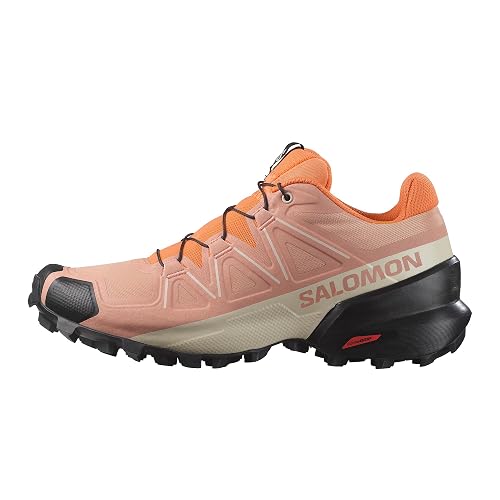
For Option A, consider a rugged trail model from a brand such as Salomon, such as the Salomon Speedcross 6, which many technical runners know for its aggressive lugs. View on Amazon
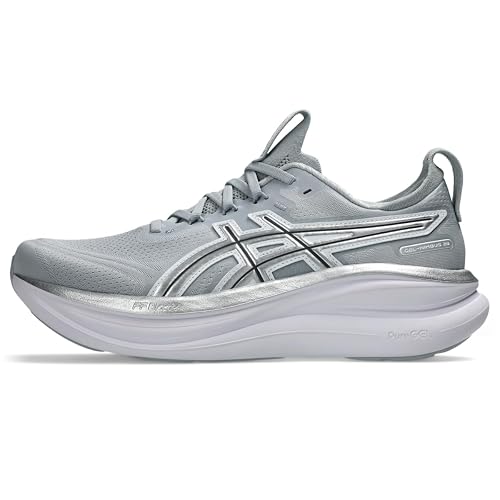
For Option B, consider a lighter runnable trail model such as the Brooks Caldera 7, which is often described by owners as comfortable for longer, mixed-surface runs. View on Amazon
Always confirm that the model you choose matches your foot width and terrain before buying, and check current sizing guidance on the product page.
FAQ
Can I use trail running shoes on the road?
You can, but they are less comfortable and less efficient on pavement. The aggressive lugs of technical models can feel unstable on hard surfaces, and the firm midsole may feel harsh over long road miles. Lightweight trail shoes handle short road sections better.
How often should I replace trail running shoes?
Many manufacturers suggest replacing shoes after a certain mileage range, often somewhere between 300 and 500 miles, depending on the model and conditions. Watch for worn lugs, a collapsed midsole and new aches in your feet or legs. If you have pain or injury concerns, consult a physical therapist or sports medicine professional.
Do I need a rock plate?
You do not need one on smooth trails, but a rock plate helps on rocky terrain by reducing the impact you feel from sharp stones. It is a useful feature if your routes include a lot of rock, though it adds some weight.
Should I size up in trail running shoes?
Many runners go up a half size to allow room for foot swelling on long runs and for descents that push the toes forward. Try shoes on in the afternoon, when feet are slightly larger, and wear the socks you plan to run in. Fit varies by brand, so check the sizing notes on each product page.
Is a zero-drop shoe better for trail running?
Zero-drop shoes suit some runners, but they are not universally better. They require a gradual transition, especially for runners used to a higher heel. If you are considering a low or zero drop, Trail Running Shoes Zero Drop: 7 Things to Know Before You Buy explains what to look for. Anyone with lower-leg or foot injuries should consult a qualified professional before changing drop.
Conclusion
The best choice in this trail running shoes comparison depends on your terrain. Rugged, protective shoes with deep lugs and a rock plate serve technical, rocky and wet routes best. Lightweight, runnable shoes with softer cushioning suit smoother trails, faster efforts and long mixed-surface runs. Compare the specs that matter most to your routes, try shoes on with the socks you plan to wear, and choose the pair that matches the ground you run on most often.
Related reading
About Caleb Morgan
Caleb Morgan is part of our editorial team and reviews and edits our running gear & races guides, checking product details against manufacturer specifications and owner feedback.