By Caleb Morgan
Updated November 2026
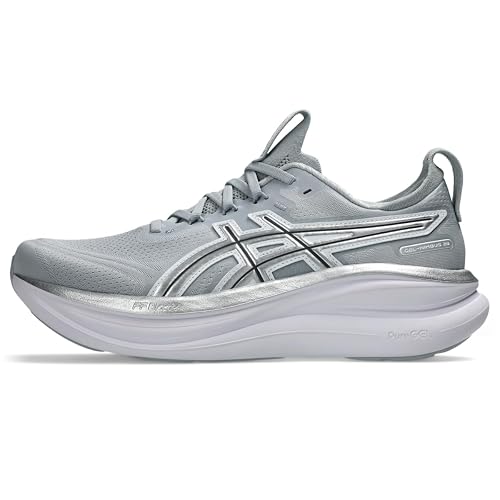
The gel nimbus running shoes line from ASICS is built for runners who want a soft, cushioned ride for daily miles, long easy runs, and recovery days. The ASICS Gel-Nimbus 28 is a neutral road model, so it suits runners who do not need heavy motion control. It is a strong choice for high-mileage training, heavier runners who want extra protection, and anyone who finds firmer racing shoes uncomfortable. It is less suited to fast tempo work, racing, or runners who want a light, snappy feel. Read on for the specs, trade-offs, and buying advice before you decide.

ASICS Men's Gel-Nimbus 28 Running Shoes
Product Overview
The ASICS Gel-Nimbus 28 sits near the top of ASICS’s neutral cushioned road lineup. The Nimbus name has long signaled maximum comfort in the brand’s catalog, and this model continues that approach. It is designed for road running on pavement, paths, and treadmills, with a focus on shock absorption and a smooth heel-to-toe transition.
Runners typically reach for this shoe for easy runs, long runs, and general daily training. It is not marketed as a racing shoe or a speed trainer. If your weekly mileage is moderate to high and your priority is joints feeling fresh the next morning, the Nimbus family is one of the most commonly recommended options in its category. Keep in mind that a cushioned shoe will feel different from a firm, low-stack trainer, and that difference is intentional.
Because this is a neutral shoe, it assumes your foot does not roll inward excessively. Runners with significant overpronation usually need a stability or motion-control model. A running specialty store or a gait analysis can help confirm which category fits your stride before you commit.
Key Features & Specifications
The table below lists the characteristics that are well established for this model line. Confirm exact weights, drop, and stack height on the current listing, since small changes can occur between colorways and production runs.
| Feature | Details |
|---|---|
| Model | ASICS Men’s Gel-Nimbus 28 Running Shoes |
| Category | Neutral, cushioned road running |
| Intended use | Daily training, long runs, recovery runs |
| Cushioning | Soft, high-cushion midsole designed for shock absorption |
| Cushioning technology | GEL unit in the heel for impact reduction |
| Foot support type | Neutral (not designed for significant overpronation) |
| Surface | Road, pavement, track, treadmill |
| Drop | Moderate heel-to-toe drop typical of the Nimbus line; verify on listing |
| Fit | Standard men’s fit; check listing for width options |
Manufacturers typically describe the Nimbus line as offering a plush, rounded feel with a stable platform. Specific stack heights and weights should be checked directly on the product page, as these figures are subject to change between versions.
Pros & Cons
Pros
- Soft, generous cushioning that suits long runs and high weekly mileage.
- Neutral support design works well for runners whose feet do not roll inward much.
- Smooth transition from heel to toe, which many owners describe as forgiving.
- Versatile for daily training across a range of paces.
- Well-known model line, so fit information and owner feedback are easy to find.
Cons
- Heavier than firm trainers or racing flats, which can feel noticeable at faster paces.
- Not suited to runners who want a responsive, snappy feel for speed work.
- Runners with moderate to severe overpronation may need a stability shoe instead.
- Higher-stack cushioning can feel unstable to some runners during lateral movement.
- Sizing and width may require trying a few options if your foot is unusually narrow or wide.
Performance Analysis
Performance in a cushioned trainer is mostly about how the shoe handles impact, how it feels over distance, and how well it matches your gait. Based on the design intent of the Nimbus line and common owner feedback patterns, the Gel-Nimbus 28 tends to perform best in the easy-to-moderate effort range.
Cushioning and impact. The soft midsole and GEL unit are meant to absorb shock on each footstrike. Owners often report that legs feel less fatigued after long efforts compared with firmer shoes. This is the core reason runners choose the Nimbus family, and it is where the shoe shows its strongest value.
Ride and transition. A high-cushion shoe rolls through the stride rather than snapping forward. Many runners find this comfortable for steady paces but feel it is slow to respond when they push the tempo. If you like a quick, springy push-off, you may find this shoe sluggish at faster speeds.
Stability and fit. As a neutral shoe, the Nimbus assumes a relatively straight foot path. Runners with mild to moderate overpronation sometimes do well in it, but those with more pronounced rolling often report discomfort or irregular wear patterns. Lateral stability on uneven or cambered surfaces can also feel less secure than on a firmer, lower-stack shoe.
Durability. Cushioned road trainers generally wear through the midsole and outsole over time. Most runners replace high-cushion trainers somewhere in the range of several hundred miles, depending on body weight, surface, and stride. Tracking mileage and checking for compressed foam will help you decide when a new pair is due.
Weight. Heavier than racing shoes, the Nimbus is best thought of as a daily workhorse. For most training runs this weight is not a problem, but it is a factor if you race or do a lot of fast intervals.
Who Should Buy This Product?
This shoe is a good fit for a specific group of runners. Before you buy, see whether you match the profile below.
- Runners logging moderate to high weekly mileage who want to reduce leg fatigue.
- Heavier runners who prefer more midsole protection on every stride.
- Runners with a neutral gait or only mild pronation.
- Anyone recovering from a training block who wants a forgiving shoe for easy days.
- Runners who run mostly on road, track, or treadmill surfaces.
You should probably skip this shoe if you race frequently, do regular speed sessions, or have a firm, responsive running style you want to keep. Runners with significant overpronation, a history of stability-related injuries, or a need for a lightweight shoe should look at other options. If you have a persistent injury or pain while running, consult a physical therapist, sports medicine doctor, or qualified running coach before changing shoes.
Buying Guide
Choosing the right cushioned trainer depends on your gait, your weekly mileage, and the type of running you do most. Use these steps to narrow your options.
- Confirm your support needs. Have your gait assessed at a specialty store or by a qualified coach. A neutral shoe like the Nimbus works best if your foot does not roll inward excessively.
- Match the cushion level to your running. High-cushion shoes suit long, easy miles. If most of your running is faster, a moderate-cushion or responsive trainer may fit better.
- Check fit before you buy. Leave about a thumb’s width between the longest toe and the front of the shoe, and make sure the heel stays locked in without pinching.
- Consider width. If your foot is wide or narrow, look for width options rather than forcing a standard fit.
- Plan for rotation. Many runners rotate two or three pairs to spread out wear and vary stress on the body.
If you decide the Nimbus is not the right match, these well-known alternatives are worth comparing. Each serves a slightly different runner, so check the specifications against your own needs.
- Hoka Clifton: a lightweight, highly cushioned option often chosen by runners who want a soft ride with less weight. View on Amazon
- Brooks Ghost: a balanced neutral trainer that many runners use for daily training with moderate cushioning. View on Amazon
- Saucony Triumph: a plush, well-cushioned daily trainer that suits runners looking for a comfortable long-run shoe. View on Amazon
For more on choosing the right category of shoe, see Trail Running Shoes vs Running Shoes (2026): Which Is Better for Your Runs? for a broader comparison of surfaces and shoe types. If your feet are unusually wide, Trail Running Shoes Wide Feet: A Step-by-Step Guide to Finding the Right Fit explains how to measure and test width, which applies to road shoes as well.
FAQ
Is the ASICS Gel-Nimbus 28 a good shoe for beginners?
It can be. The soft cushioning and neutral design make it approachable for new runners who run at easy paces. Beginners should still get a gait check and try the shoe on in the afternoon, when feet are slightly larger, before buying.
Is the Gel-Nimbus good for overpronators?
Usually not. The Nimbus is a neutral shoe, so runners with significant overpronation typically need a stability or motion-control model. Mild overpronators sometimes do well, but a specialist fitting is the safest way to decide.
How long do cushioned road shoes like the Nimbus last?
Many runners replace high-cushion trainers after several hundred miles, though the exact figure depends on body weight, stride, and surface. Watch for creased midsoles, uneven wear, and a new ache in your shins, knees, or feet as signs it is time to replace them.
Should I size up in the Gel-Nimbus?
Many runners choose a half size up from their casual shoe size to allow room for foot swell on long runs. Always test the fit yourself, since sizing can vary between models and width options.
Can I use the Gel-Nimbus for trail running?
It is designed for road, track, and treadmill surfaces. For unpaved routes with roots, rocks, or mud, a dedicated trail shoe with more grip and a protective outsole is a better choice.
Is the Gel-Nimbus suitable for racing?
It is not a race shoe. Runners who want a lighter, faster option for 5K through marathon racing should look at a dedicated racing flat or lightweight trainer.
Do I need a running shoe with a rock plate?
Rock plates are a feature of trail shoes, not standard road cushioned trainers. If you are unsure whether a plated shoe applies to your terrain, What Is a Rock Plate in Trail Running Shoes? A Clear Guide (2026) explains what the feature does.
When should I see a professional about my running shoes?
If you have recurring pain in the feet, shins, knees, or hips, consult a physical therapist, sports medicine doctor, or certified running coach. Persistent pain is a signal to get a professional gait assessment rather than simply buying a new pair.
Final Verdict
The gel nimbus running shoes line delivers what most runners want from a cushioned daily trainer: soft impact protection, a smooth ride, and a neutral platform for steady miles. The ASICS Gel-Nimbus 28 suits high-mileage runners, heavier runners, and anyone who prioritizes comfort on long and easy efforts. It is less suited to racing, speed work, or runners with significant overpronation.
Before buying, confirm your gait type, check the specifications on the current listing, and try to test the fit in person if possible. If the cushioned, neutral ride matches your running, this is a dependable choice to build your training around.
Related reading
- ASICS Men's Gel-Venture 11 Trail Running Shoes Review: Is It Worth It?
- ASICS Gel-Venture 11 Trail Running Shoes Review: Is It Worth It?
- ASICS Gel-Sonoma 8 Trail Running Shoes: 3 Best Picks Compared (2026)
- 6 Best ASICS Gel Trail Running Shoes for Every Trail (2026)
- Running Shoe Sizing Guide
About Caleb Morgan
Caleb Morgan is part of our editorial team and reviews and edits our running gear & races guides, checking product details against manufacturer specifications and owner feedback.