By Caleb Morgan
Updated November 2026
If you are shopping through la sportiva trail running shoes reviews, the Wildcat is one of the names you will see most often. It is a men’s trail shoe built for runners who want a firm, grippy platform for technical ground, rocky descents and mixed terrain rather than a cushioned daily trainer. Buyers who run on rough singletrack, value a locked-in heel and want a shoe that feels secure on uneven footing should give it a close look. Runners who prefer a soft, highly cushioned ride for long road-adjacent miles, or who have a wide forefoot and find narrow trail uppers uncomfortable, will probably want to skip it or try alternatives first. Because this is a research-based review, the details below draw on the listing and the well-known characteristics of this model line, not on our own wear-testing.

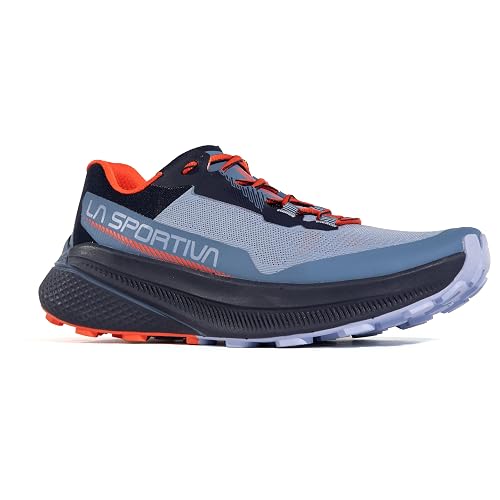
La Sportiva Mens Wildcat Trail Running Shoes
Product Overview
The La Sportiva Wildcat is a men’s trail running shoe from a brand that has long been associated with climbing-influenced footwear and aggressive outsole design. The shoe sits in the category of technical trail running shoes, meaning it is aimed at terrain where foot placement matters: loose gravel, wet rock, roots and steep grades in both directions. Runners who search for la sportiva trail running shoes reviews are often comparing it with other stiff-soled, traction-focused options, so it helps to understand what the Wildcat is designed to do before you look at individual features.
In general terms, shoes in this category trade some cushioning and weight for a more responsive, stable ride. The Wildcat fits that pattern. Its midsole and outsole are built to give a firm feel underfoot, which many trail runners prefer on technical sections because they can feel the ground and react quickly. The trade-off is that the ride is less plush than a maximalist road or trail shoe, and runners who are used to soft landings may need a few runs to adapt.
Owners who describe the Wildcat commonly point to its secure, locked-down feel through the midfoot and heel. That quality matters on descents and side-hill traverses, where a loose heel can cause blisters or instability. Others note that the shoe runs on the snug side and that sizing decisions deserve some care, particularly for runners with wider feet or higher volume.
Key Features & Specifications
The table below lists characteristics that are reasonable to state for this product line. Where a specific number is not confidently established for this exact listing, we have described the feature qualitatively rather than guessing at a figure. Always check the current product page for exact weight, drop and sizing information, since these can vary by colorway and production run.
| Feature | What It Means for You |
|---|---|
| Category | Technical trail running shoe, men’s sizing |
| Intended terrain | Rocky, rooty, loose or wet trail; steep ascents and descents |
| Outsole | Aggressive lugged rubber pattern for grip on mixed surfaces |
| Midsole | Firm, stable platform rather than high-stack cushioning |
| Upper | Structured, supportive upper designed to hold the foot in place |
| Fit profile | Generally considered a snug, performance-oriented fit |
| Ride feel | Firm, responsive and ground-connected |
Manufacturers typically specify drop, stack height and weight for shoes like this, and those figures are the best place to confirm whether the Wildcat matches your preferences. If you are coming from a shoe with a higher heel-to-toe drop, expect a noticeable change in how your calves and Achilles respond during the first few weeks.
Pros & Cons
Pros
- Aggressive outsole designed for grip on loose and technical terrain.
- Firm, stable platform that many trail runners find confidence-inspiring on descents.
- Secure, locked-down fit that reduces heel movement and internal sliding.
- Well suited to rocky, rooty and muddy trail conditions.
- Lightweight enough for steady trail training when properly fitted, according to many owner accounts.
Cons
- Firm ride can feel harsh on long runs for runners used to soft cushioning.
- Snug fit may not suit runners with wide forefeet or high-volume feet.
- Sizing can be tricky; some buyers report needing to go up or try multiple sizes.
- Less versatile on pavement or smooth, fast trails than softer-riding shoes.
- Break-in period may be needed before the shoe feels fully comfortable.
Performance Analysis
Performance in a trail shoe comes down to three things: traction, stability and comfort over distance. On traction, the aggressive lug pattern is built for loose and uneven ground. Owners who run in rocky or muddy conditions often describe the shoe as planted and predictable, particularly on climbs where the outsole can bite into soft surfaces. The firm midsole supports that by keeping the foot from rolling excessively on unstable footing.
Stability is where the Wildcat tends to stand out. A firm, structured platform helps keep the foot centered over the midsole, which matters on off-camber sections and steep side-hills. The same firmness, however, means less shock absorption. On hard-packed or repetitive terrain, some runners report fatigue in the legs or feet over longer efforts. This is consistent with how shoes of this type are generally designed, not necessarily a defect.
Comfort is the most individual factor. The snug upper that helps lock the foot in place can feel restrictive for some. Runners with a wider forefoot often describe pressure or numbness after extended time on the trail. Breathability is typically adequate for dry conditions, though wet-weather performance depends on how water moves through the upper and how quickly the shoe drains, which is a common consideration for trail shoes without waterproof membranes.
For a research-based view, the pattern across owner feedback suggests the Wildcat rewards runners who value grip and stability and who have a fit profile that matches its last. Runners outside that profile tend to report mixed experiences.
Who Should Buy This Product?
The Wildcat is a good fit for trail runners who regularly tackle technical terrain and want a shoe that prioritizes grip, lockdown and ground feel. If your routes include a lot of rock, roots, loose scree or steep descents, the shoe’s design aligns well with those demands. It also suits runners who already know they like firm, responsive shoes and have a narrow-to-average foot shape.
You should probably skip the Wildcat if your runs are mostly smooth dirt paths, pavement or long, flat trail miles where cushioning matters more than technical grip. It is also a poor choice if you have a wide forefoot or high-volume foot and have struggled with snug shoes in the past. Beginners who want a forgiving, all-purpose shoe may find it demanding, and runners with a history of heel or Achilles issues should consult a physical therapist or sports medicine professional before switching to a firmer, lower-drop shoe.
Buying Guide
Before you buy, measure your feet at the end of the day when they are naturally slightly swollen, and compare your measurements against the brand’s sizing chart rather than relying on your usual road size. Pay attention to width as well as length. If you are between sizes, many experienced trail runners recommend choosing the size that leaves room in the toe box on downhill runs without allowing the heel to slip.
Think about your typical terrain. If you run mostly on technical trails, the Wildcat’s grip and stability are a strong match. If you split your time between trail and road or groomed paths, a more versatile shoe may serve you better. Check the stack height and drop on the product page against the shoes you already own so you can anticipate the transition.
Consider a short break-in period. Start with shorter runs on varied terrain, and watch for hot spots or pressure points. If problems persist after several sessions, a return or exchange may be the sensible choice.
For alternatives, runners who want a similar technical focus often look at the La Sportiva Mens Prodigio Max Running Shoe, which many buyers consider for those seeking a different ride profile within the brand’s lineup.

La Sportiva Mens Prodigio Max Running Shoe
Runners who want the women’s version of a comparable trail-focused design may consider the La Sportiva Womens Bushido III Running Shoes, which is often compared against men’s technical models for fit and feel.

La Sportiva Womens Bushido III Running Shoes
If you are still comparing options, reading a range of la sportiva trail running shoes reviews across different models can help you see how fit and ride differ from one shoe to the next. For broader context on the brand’s trail lineup, see 6 Best Trail Running Shoes La Sportivas for Every Trail (2026) and La Sportiva Bushido III Trail Running Shoes: Fit, Traction, and Who Should Buy. Runners weighing firm trail shoes against other traction-focused brands may also find Salomon Speedcross 6 Trail Running Shoes Review: Is It Worth It? useful for comparison.
FAQ
Are La Sportiva Wildcat shoes good for beginners?
They can work for beginners who already run on technical trails and know they prefer a firm feel. Brand-new trail runners, especially those used to cushioned road shoes, may find the ride demanding at first. Starting with shorter runs on moderate terrain can ease the transition.
Do La Sportiva Wildcat shoes run true to size?
Owners frequently describe the fit as snug, and some report needing to size up or try more than one size. Check the brand’s sizing chart and, if possible, measure your feet against it before ordering.
Are the Wildcat shoes waterproof?
Standard trail shoes in this category are generally not waterproof. They may drain and dry reasonably well, but they will let water in through the upper. Confirm the specific construction on the product page if wet-weather performance is important to you.
Can I use the Wildcat for road running?
It is designed primarily for trail use. Some runners use technical trail shoes on paved paths or roads occasionally, but the aggressive outsole and firm platform are better suited to off-road surfaces. Frequent road running may cause discomfort or faster wear.
How long does a trail shoe like this typically last?
Lifespan depends on terrain, mileage, body weight and running form. Many runners replace trail shoes after several hundred miles, but outsole wear and midsole compression are better guides than a fixed number. Inspect your shoes regularly.
Is the Wildcat suitable for wide feet?
Many owners with wider forefeet report discomfort, which suggests runners with broader feet should try the shoe in person if possible or choose a model with a roomier last. If you have persistent foot pain, consult a podiatrist or qualified footwear professional.
What should I do if the shoe causes foot or heel pain?
Stop wearing the shoe for hard runs and monitor the symptoms. Persistent pain, numbness or swelling should be evaluated by a physician, physical therapist or podiatrist rather than managed through shoe changes alone.
Final Verdict
The La Sportiva Wildcat is a focused technical trail shoe that rewards runners who value grip, lockdown and a firm, ground-connected ride. Its strengths are clear on rocky, loose and steep terrain, and its limitations are equally clear for runners who need soft cushioning, a roomy forefoot or a shoe that handles mixed road and trail use. Before you commit, check fit carefully, consider your typical routes and read a few of the la sportiva trail running shoes reviews from owners whose feet and running style resemble yours.
Related reading
- La Sportiva Wildcat Trail Running Shoes Review: Who Is It For?
- La Sportiva Trail Running Shoes Women's: 7 Best Picks for Every Trail (2026)
About Caleb Morgan
Caleb Morgan is part of our editorial team and reviews and edits our running gear & races guides, checking product details against manufacturer specifications and owner feedback.