By Caleb Morgan
Updated November 2026
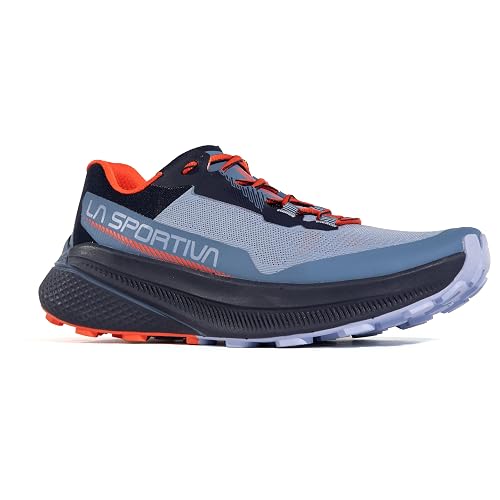
Saucony excursion trail running shoes are aimed at runners who want a dependable, moderately cushioned trail shoe for everyday off-road miles without paying for a race-focused model. This review looks at the Saucony Men’s Excursion TR16 Trail Running Shoe and explains who will get the most from it and who should look elsewhere. Runners who log mostly packed dirt, gravel, and mixed-surface routes at easy to moderate effort are the core audience. Runners chasing technical, rocky singletrack at high speed, or those who need a very wide or highly stable platform, will likely want to compare other options. Everything below is based on published specifications and common owner feedback patterns rather than personal testing.

Saucony Men's Excursion TR16 Trail Running Shoe
Product Overview
The Excursion line from Saucony sits in the lower-profile, all-around trail category. It is built for runners who want a shoe that handles light trail, fire roads, and occasional muddy patches without the aggressive lugs or stiff rock protection of a dedicated mountain shoe. The TR16 designation indicates the sixteenth generation of this model name, so the design has been refined over several iterations rather than reinvented each year.
In practice, that positions the shoe as a workhorse. It is meant to be comfortable over longer efforts, forgiving enough for mixed terrain, and simple enough that a runner new to trails can start with it confidently. If you are comparing options across the broader Saucony range, our guide to Saucony Men's Trail Running Shoes: How to Choose the Right Pair (2026) explains how the various lines differ in stack height, lug depth, and intended use.
Key Features & Specifications
Manufacturer specifications for trail shoes change between colorways and production runs, so confirm the figures on the product page before ordering. The table below lists the features that are consistently associated with the Excursion family.
| Feature | What It Means for Runners |
|---|---|
| Category | Trail running, all-around off-road use |
| Intended terrain | Dirt trails, gravel, packed surfaces, light mud |
| Cushioning | Moderate midsole, suited to daily training volume |
| Outsole | Multi-directional lugs for grip on loose and uneven ground |
| Upper | Engineered mesh designed to breathe and drain reasonably well |
| Drop | Moderate heel-to-toe drop, typical for daily trainers |
| Fit | Standard width in most sizing charts; check size guide for half sizes |
Because exact stack heights, weights, and drop values vary by size and manufacturer revision, treat these entries as directional. If a specific number matters for your decision, such as a strict maximum weight for a race, verify it against the official listing before you buy.
Pros & Cons
Pros
- Versatile enough for most trail surfaces a recreational or intermediate runner will encounter.
- Moderate cushioning makes it suitable for longer easy days without feeling overbuilt.
- Multi-directional lugs provide reliable traction on dirt and gravel.
- Standard fit works for many runners, making it a practical first trail shoe.
- Part of a well-established line with a long track record among road-to-trail converts.
Cons
Performance Analysis
The most useful way to judge the Excursion is to match its characteristics to the terrain you actually run. On compacted dirt, gravel roads, and well-maintained singletrack, the lug pattern provides stable footing without the drag that deeper lugs can add on hard surfaces. Runners often report that the shoe feels composed at conversational to moderate pace, which is where most trail miles are logged.
Cushioning is a middle ground. Owners doing back-to-back easy runs commonly describe enough protection for legs that are accustomed to road training, while those who want maximal softness for ultra distances may find it firmer than their preference. The midsole is not designed to be a rock plate substitute; if your routes are full of sharp, exposed stone, you should weigh that limitation seriously. For a deeper look at how protective plates work, see What Is a Rock Plate in Trail Running Shoes? A Clear Guide (2026).
Traction performance in wet conditions is generally rated as good on packed mud and wet roots, though it drops off on slick clay and steep, loose descents. Drainage is adequate for light rain and stream crossings, but the shoe will hold water once saturated, which is true of most non-waterproof trail designs. Runners who regularly face wet terrain may want to explore options covered in 6 Best Saucony GORE-TEX Trail Running Shoes for Wet Trails (2026).
Durability feedback tends to be positive for the upper and outsole on moderate surfaces, with outsole wear concentrated at the forefoot on runners who push pace on hard-packed trails. As always, individual mileage and gait will influence how quickly a pair breaks down.
Who Should Buy This Product?
This shoe suits runners who are transitioning from road running to trails, runners who want one pair for mixed weekly routes, and those who prioritize comfort over outright speed. It is also a sensible choice for hikers who run portions of their routes and want a responsive but protective shoe.
You should skip it if your trails are predominantly technical, rocky, or extremely muddy; if you need a stiff, highly protective platform for steep descents; or if you are shopping for a racing flat that will be used for competitive events. Runners with specific gait needs should also check Trail Running Shoes for Overpronators: 6 Best Picks for Every Trail (2026) before committing, since stability requirements differ widely between individuals.
Buying Guide
Before purchasing any trail shoe, take a few practical steps. First, measure your feet at the end of the day, when they are slightly swollen from activity. Second, plan for about a thumb’s width of space in front of your longest toe, and make sure your heel does not slip excessively on the descent test. Third, if you have wider feet, check whether the brand offers a wide option in the model you are considering. For more guidance on width, see Waterproof Trail Running Shoes Wide: 5 Fit Factors and Picks (2026).
If the Excursion does not match your needs, two well-known alternatives within the same brand family are worth comparing. The Saucony mens Excursion Tr15 offers a slightly earlier iteration of the same design language and can be a good fit for runners who prefer its feel. Choose it if you want the established Excursion character at a different point in the product cycle.

Saucony mens Excursion Tr15
The Saucony Excursion TR14 Women’s is the earlier generation designed for women’s fit proportions. It is a reasonable choice for runners who want a women-specific last and a proven, mid-cycle design. Compare sizing carefully, as women’s models use different length and width specifications.

Saucony Excursion TR14 Women's
For runners who want a broader selection beyond this family, our overview Saucony Best Trail Running Shoes: 7 Best Picks for Every Trail (2026) compares several Saucony models side by side, and Trail Running Shoes vs Running Shoes (2026): Which Is Better for Your Runs? helps clarify whether a trail-specific shoe is necessary for your routes at all.
FAQ
Are Saucony Excursion trail running shoes good for beginners?
Yes, for many beginners they are a sensible starting point. The moderate cushioning, standard fit, and versatile lug pattern make them forgiving on mixed surfaces. Beginners should still build mileage gradually and pay attention to how their feet and ankles respond on uneven ground.
Can I use the Excursion for road running as well?
You can, and many runners do for short road sections between trails. However, the lugs can feel slightly less smooth on pavement than a dedicated road shoe, so a pure road daily trainer may be more comfortable for high-volume road work.
Do these shoes run true to size?
Most owners report that sizing is close to standard for the brand, but individual experiences vary. Compare the manufacturer’s size chart with your measured foot length, and consider a half size up if you typically wear socks that are thicker than average.
Are they waterproof?
The Excursion is generally not presented as a waterproof model. It will handle light moisture and brief stream crossings, but it will absorb water in sustained rain. Runners who need waterproofing should look at dedicated GORE-TEX versions.
How long do the Excursion shoes last?
Mileage expectations depend on surface, pace, body weight, and gait. Many runners replace trail shoes somewhere in the range of several hundred miles, but outsole wear and midsole compression should guide your decision more than a fixed number.
Is the Excursion suitable for technical or rocky trails?
It is best suited to moderate terrain. On very rocky or technical routes, the limited rock protection and lug depth can feel inadequate. If your routes are mostly technical, a more aggressive trail shoe is the better choice.
Should I choose the men’s or women’s version?
Choose based on the fit that matches your foot shape rather than gender labels alone. Women’s models typically use a different last and sizing proportion, so trying both if possible, or checking detailed fit notes, is the most reliable approach.
About Caleb Morgan
Caleb Morgan is part of our editorial team and reviews and edits our running gear & races guides, checking product details against manufacturer specifications and owner feedback.