By Caleb Morgan
Updated November 2026
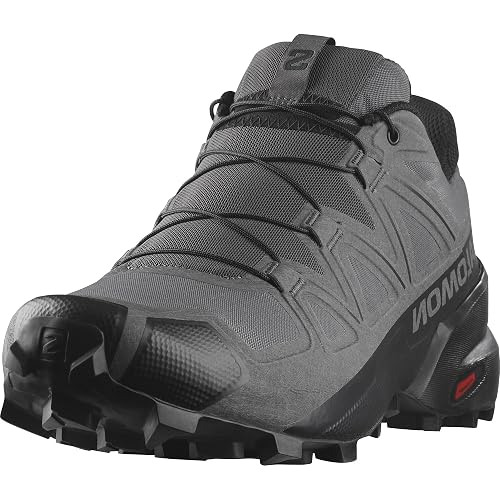
If you are deciding what to look for in trail running shoes, the short answer is this: choose a shoe with aggressive, well-spaced lugs and a firm rock-protective layer if your runs are mostly technical, rocky, or muddy. Choose a lighter, more cushioned shoe with moderate lugs if your routes are mostly packed dirt and gravel fire roads. The comparison below sets a traction-focused, protective trail shoe (Option A) against a cushioned, versatile trail shoe (Option B) so you can see how each one stacks up on the criteria that matter most.
| Criterion | Option A: Aggressive Technical Trail Shoe | Option B: Cushioned Everyday Trail Shoe |
|---|---|---|
| Lug depth | Deep, widely spaced lugs (often 4–5 mm) | Moderate lugs (often 2–3 mm) |
| Rock protection | Dedicated rock plate or firm midsole insert | Little or no plate; relies on midsole foam |
| Midsole cushioning | Firm to moderate | Moderate to soft |
| Weight | Heavier, typically noticeable on the foot | Lighter, easier for long, steady miles |
| Upper durability | Reinforced toe cap and overlays | Lighter mesh, less abrasion resistance |
| Fit and volume | Snug midfoot, secure heel lock | Roomier toe box, more forgiving fit |
| Best terrain | Rocky, muddy, steep, technical | Packed dirt, gravel, mixed-surface routes |
Lug Depth and Pattern: The First Thing to Check for Grip
Outsole lugs are the most visible feature of a trail shoe, and they do most of the work when the ground is loose or slick. Lug depth is usually measured in millimeters from the base of the outsole to the tip of the lug. Manufacturers typically specify depths anywhere from about 2 mm to 5 mm or more.
Deeper lugs bite into soft mud, wet roots, and loose scree. They also clear debris better, which keeps the outsole from packing up and feeling like a road shoe after a few miles in sticky conditions. The tradeoff is that very deep lugs can feel unstable or uncomfortable on hard-packed trails and pavement sections, where they tend to pound the foot and wear faster.
Winner for this criterion: Option A. If you regularly run in mud, snow, or loose rock, the deeper, widely spaced lugs give you more confidence on descents and on uneven ground. Option B is a better fit only if most of your routes are firm and dry.
Pay attention to the pattern as well as the depth. Widely spaced lugs shed mud and debris. Closely spaced, shallow lugs grip well on dry rock and hardpack, and they feel smoother on road transitions. Many trail runners look for a multidirectional lug pattern, since it grips on climbs and descents alike.
Rock Protection and Underfoot Protection
A rock plate is a firm layer, usually a thin piece of nylon, carbon composite, or TPU, placed between the midsole foam and the outsole. Its job is to keep sharp rocks, roots, and other debris from bruising the bottom of the foot. For a deeper explanation of how these plates work and when they are worth having, see What Is a Rock Plate in Trail Running Shoes? A Clear Guide (2026).
Option A typically includes a dedicated plate or firm insert, which makes it a stronger choice for rocky, technical routes. The downside is a stiffer ride and a bit more weight. Option B usually relies on the midsole foam alone, which feels softer and more natural but gives less protection on sharp terrain.
Winner for this criterion: Option A for any run where you expect sharp rocks or rooted singletrack. For smooth, dirt-based trails, the protection of Option A may be more than you need, and the softer feel of Option B will likely be more comfortable.
Midsole Cushioning and Stack Height
Cushioning in a trail shoe is a balance. More foam absorbs impact on long descents and hard surfaces, but too much can make the shoe feel unstable on uneven ground because the foot sits higher above the trail. Stack height, the total thickness of material under the foot, is often listed by manufacturers in millimeters at the heel and forefoot.
Option B generally offers softer, more generous cushioning, which many runners prefer for longer efforts and recovery days. Option A tends toward a firmer, lower feel that keeps the foot closer to the ground for better stability on technical sections.
Winner for this criterion: depends on your run. For long, steady miles on moderate terrain, Option B’s cushioning is the better choice. For technical footing where stability matters most, Option A wins. If you are unsure, try both on a short trail loop before committing.
Weight and Breathability
Weight matters more on long days and in races, where small differences add up over thousands of steps. Trail shoes often range from light to fairly heavy, with the heaviest models usually built with the most protection and durable uppers.
Option B is the lighter shoe, which makes it more pleasant for fast running and high-mileage training. Option A carries more material, which adds stability and durability but can feel heavy on warm days. Breathability depends on upper construction. Open mesh dries quickly and stays cool, while thicker, more protective uppers trap more heat and moisture.
Winner for this criterion: Option B for runners who prioritize speed and comfort in warm conditions. Choose Option A if durability and protection outweigh the weight penalty.
Upper Durability and Protection
The upper is where trail shoes take the most abuse. Brush, branches, and abrasive rock can wear through thin mesh quickly. Look for reinforced toe caps, synthetic overlays at high-wear areas, and a secure lacing system. A gusseted tongue helps keep grit out, which is especially useful on dusty or gravelly routes.
Winner for this criterion: Option A. Its reinforced overlays and toe protection hold up better on rough terrain. Option B’s lighter uppers are fine for mild trails but may show wear sooner on rocky or brushy routes.
Fit, Volume, and Heel Lock
Fit is the criterion that matters most, and it is easy to overlook. A trail shoe should hold your heel firmly so it does not slip on descents, while leaving enough room in the toe box for your feet to swell over a long run. Feet often swell by a noticeable amount during extended efforts, so a shoe that fits snugly at the start of a run can feel cramped by the end.
Option A’s snug midfoot and secure heel lock suit runners who want precise control on steep, uneven ground. Option B’s roomier toe box is more forgiving, which works well for people with wider forefeet or those who run long distances. If you have wide feet, see Trail Running Shoes Wide Feet: A Step-by-Step Guide to Finding the Right Fit for sizing and fit-checking steps.
Winner for this criterion: depends on foot shape. Narrow to medium feet with a snug preference do well in Option A. Wider feet and runners who want toe room tend to prefer Option B. Always try shoes on in the afternoon or after a run, when your feet are at their largest.
Drop and Heel-to-Toe Offset
Drop is the difference in height between the heel and the forefoot, usually given in millimeters. Common trail drops range from zero to around 10 mm. A lower drop encourages a more midfoot or forefoot strike and can feel more natural, but it also increases load on the calves and Achilles tendons. A higher drop is easier to transition into if you are coming from a traditional running shoe.
If you are considering a very low or zero-drop shoe, make the change gradually. Many runners add a few short sessions per week over several weeks rather than switching all at once. For more on this, see Trail Running Shoes Zero Drop: 7 Things to Know Before You Buy.
Winner for this criterion: neither option wins outright. Option A sits at a moderate drop that suits most technical runners. Option B’s drop works for a wider range of runners transitioning from road shoes. Match the drop to your current running habits and calf strength rather than chasing a trend.
Which Should You Choose?
- Choose Option A (aggressive, protective trail shoe) if you run mostly on rocky, muddy, or steep technical trails and you want maximum grip, rock protection, and upper durability.
- Choose Option B (cushioned, versatile trail shoe) if your routes are mostly packed dirt, gravel, or mixed surfaces, and you value comfort, lighter weight, and a roomier fit for long miles.
- Choose Option A if you have narrow to medium feet and want a locked-in feel on descents.
- Choose Option B if you have wider feet or swell during long runs and need toe room.
- Choose Option A for race courses with sharp rock or mud.
- Choose Option B for high-mileage training blocks where weight and cushioning matter more than extreme grip.
For a broader look at choices by runner type, you may also find Trail Running Shoes for Mixed Terrain: 6 Best Picks for Every Trail (2026) and Trail Running Shoes Wide Fit: How to Choose the Right Pair (2026) useful when narrowing your list.
Shop Both Options
Option A (aggressive, protective trail shoe): View on Amazon
Option B (cushioned, versatile trail shoe): View on Amazon
FAQ
How deep should trail running shoe lugs be?
Lug depth varies by terrain. Many trail shoes use lugs in the range of roughly 2 mm to 5 mm. Deeper lugs suit mud, snow, and loose rock, while shallower lugs are more comfortable on firm dirt and pavement transitions.
Do I need a rock plate in trail running shoes?
You do not need one for every run. A rock plate is most helpful on rocky, rooted, or technical terrain. On smooth, dirt-based trails, a shoe without a plate often feels more flexible and natural.
Should trail running shoes be bigger than road running shoes?
Many runners choose a half size larger in trail shoes to allow for downhill toe pressure and foot swelling. Try shoes on later in the day and check that your toes do not hit the front on descents. Sizing varies by brand, so compare fit rather than relying on your usual size.
How long do trail running shoes last?
Mileage depends on terrain, body weight, and foot strike. Many runners retire trail shoes once the lugs are visibly worn or the midsole feels flat, often after several hundred miles. Check the outsole and cushioning regularly rather than relying on a fixed number.
Are trail running shoes good for road running?
Some are, particularly lighter, moderately cushioned models with lower-profile lugs. Highly aggressive shoes can feel harsh and wear quickly on pavement. If you plan to mix surfaces, choose a shoe labeled for mixed terrain.
Conclusion
When deciding what to look for in trail running shoes, start with the terrain you run most. Deep, well-spaced lugs and rock protection matter for technical and wet routes, while lighter cushioning and a roomier fit suit runners covering long miles on firmer ground. Then check fit, since the best grip in the world does not help a shoe that slides or pinches. Use the criteria above to narrow your options, and if you are still unsure, consult a running specialist or a knowledgeable staff member at a running store for a personal fitting. This guidance is general, so if you have foot pain, injuries, or a medical condition, consult a physician or podiatrist before changing shoes.
Related reading
- 6 Best What Are the Best Trail Running Shoes for Men (2026): Our Picks
- Road vs Trail Running Shoes
- 11 Best Trail Running Shoes
About Caleb Morgan
Caleb Morgan is part of our editorial team and reviews and edits our running gear & races guides, checking product details against manufacturer specifications and owner feedback.